


In Ayurvedic medical literature, the head is considered to be the prime organ due to various reasons. The head is the seat of all major senses.....
Read more
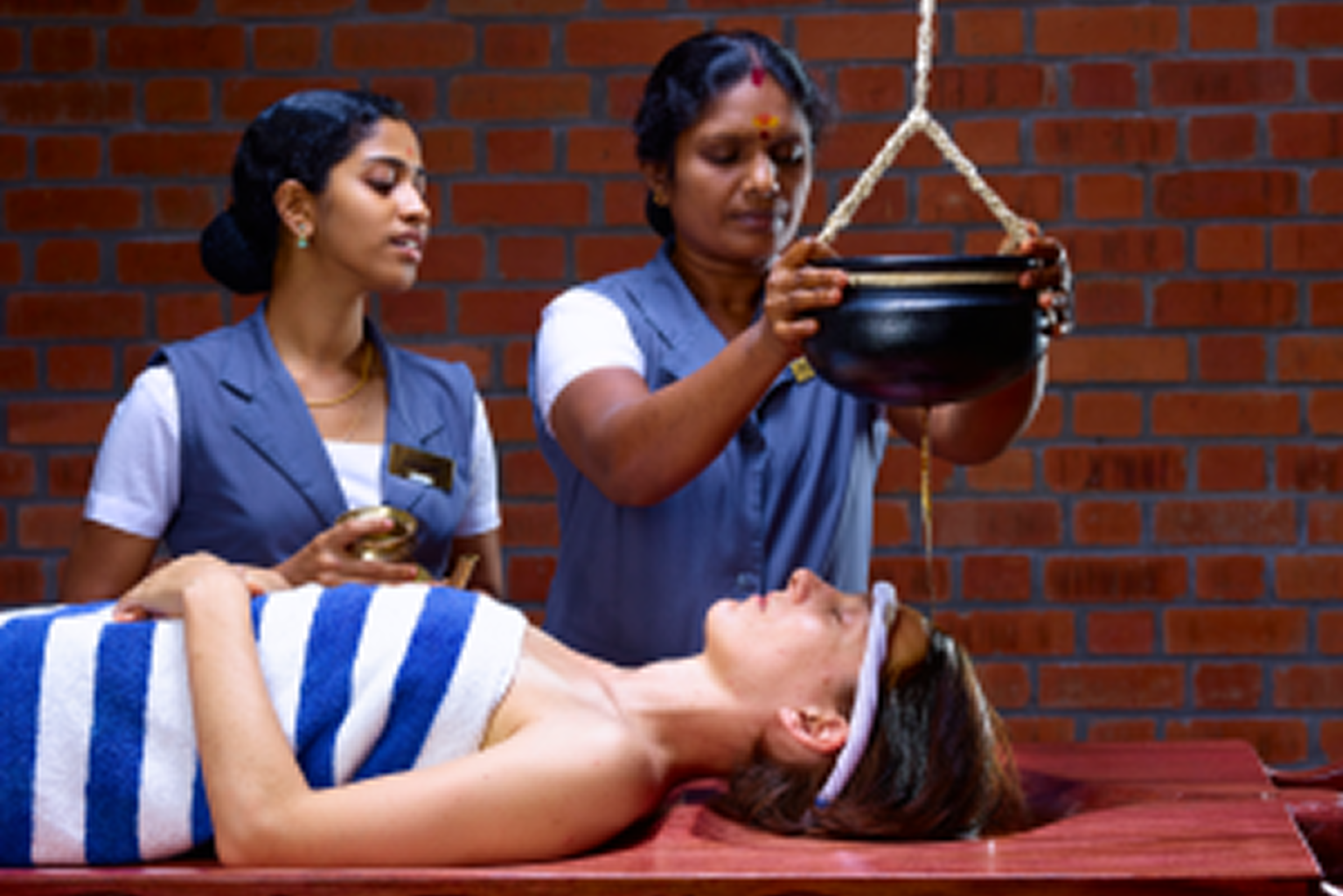
Sirodhara is a classical and a well-established ayurvedic procedure wherein suitable medicated oil is poured slowly and steadily on the .....
Read more
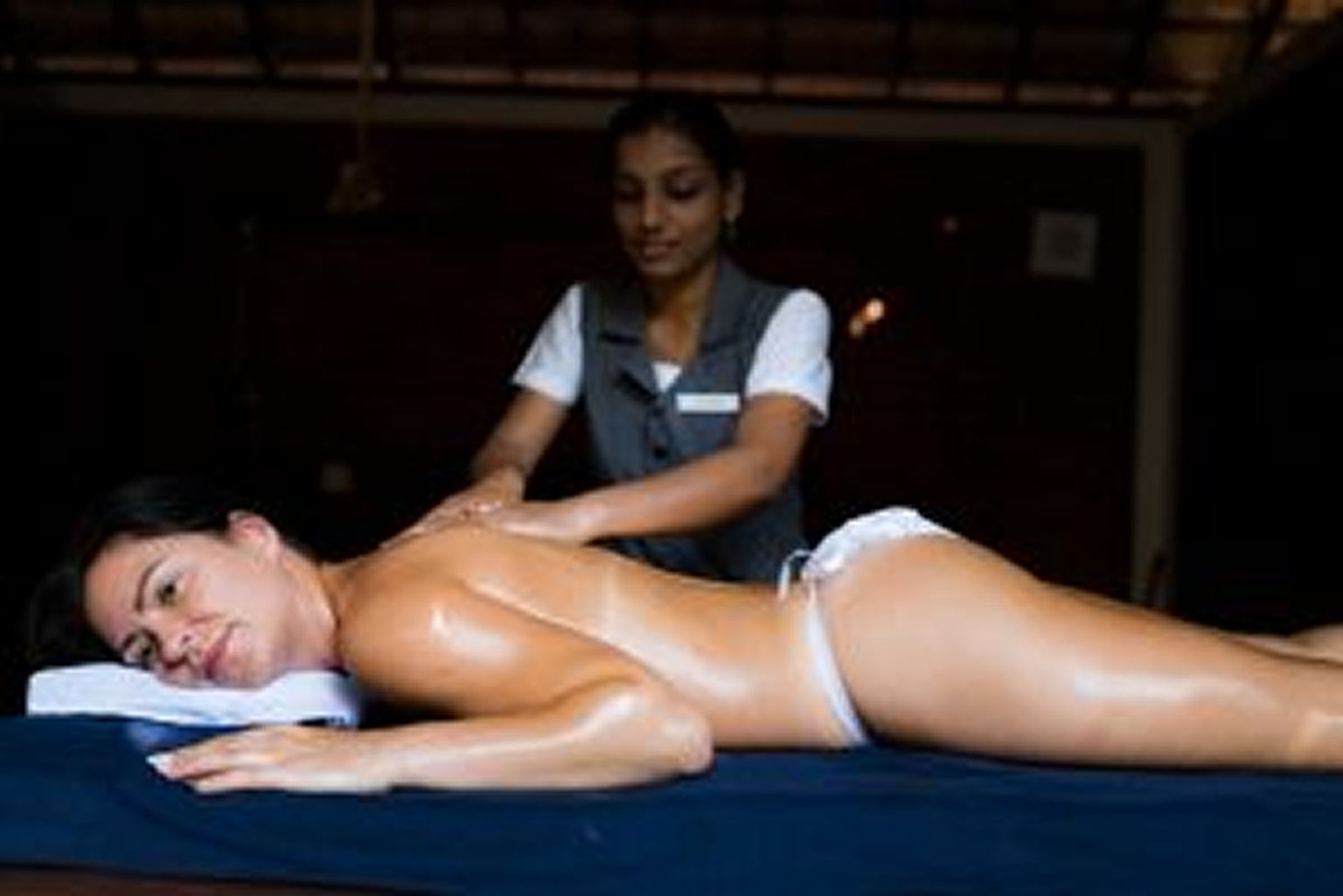
The term ‘Thirummal’ is the Malayalam word used as a synonym of Abhyanga which is the oleation therapy or oil massage. At Nattika,...
Read more
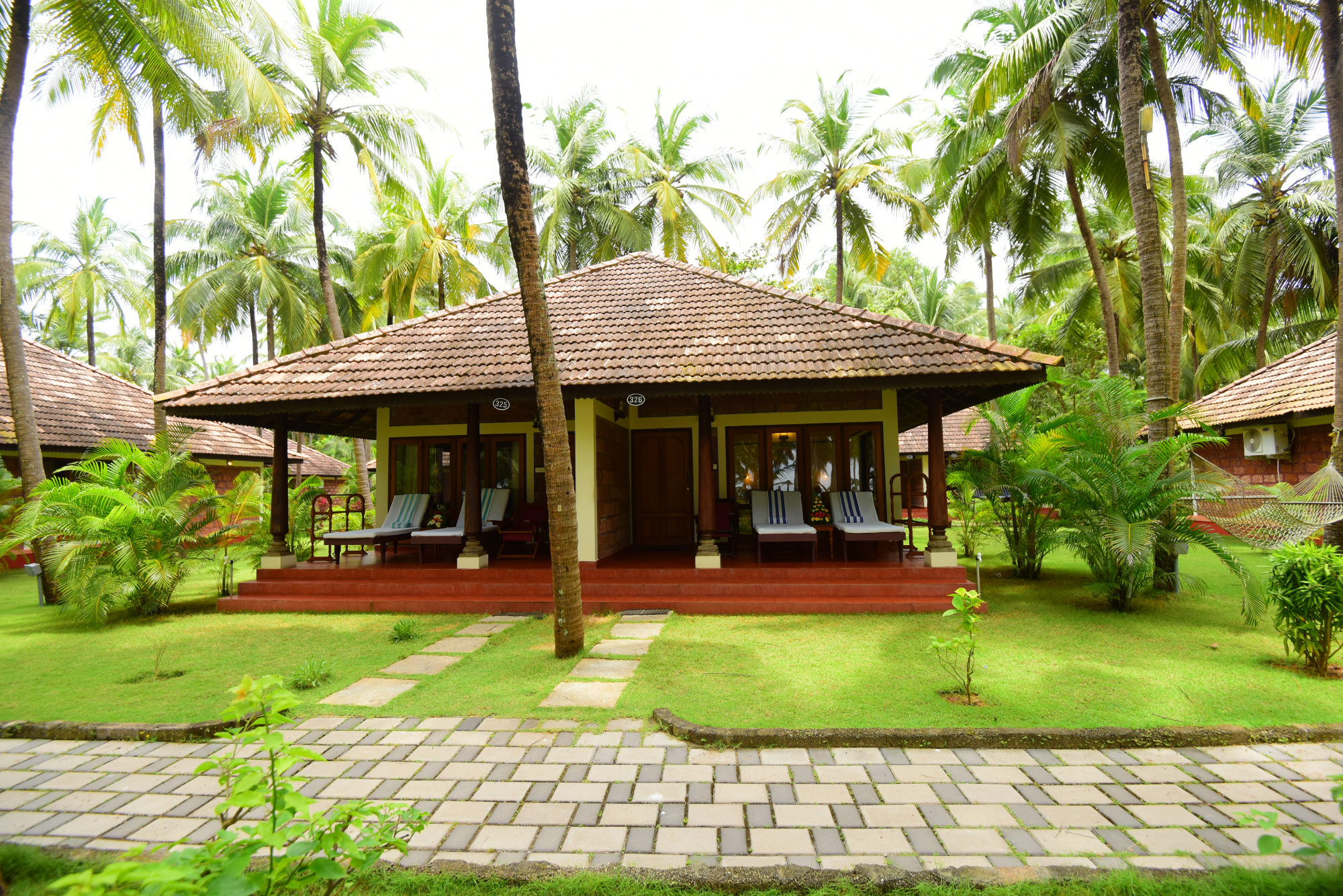
Chavatti thirumal means “foot massage” or “foot-rope massage” is a traditional Indian massage technique developed by the Kalari Martial Artists of Kerala...
Read more
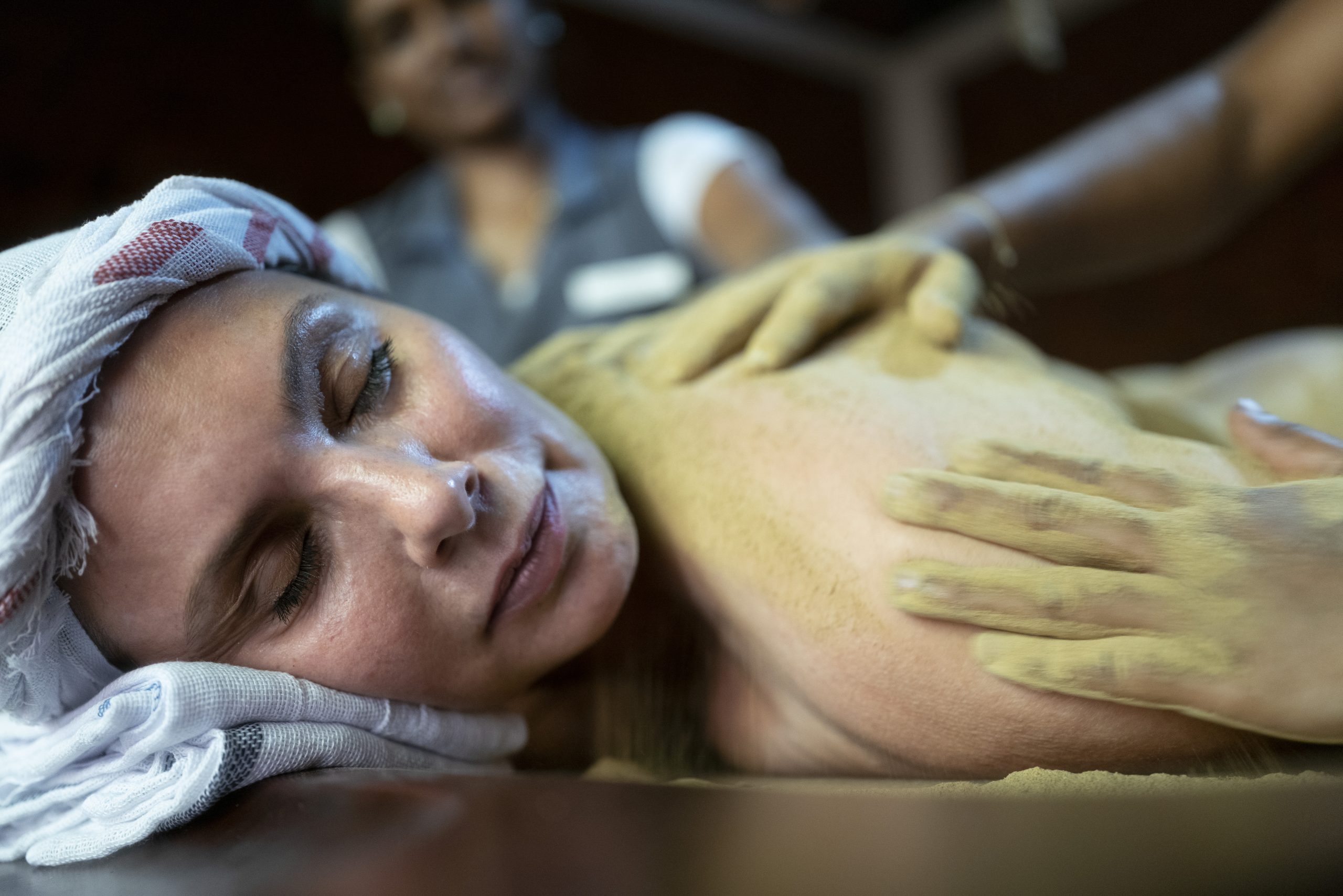
It is the external application of medicated powder or pastes on the body with affordable pressure massage, generally in pratiloma (retrograde direction – masaage...
Read more
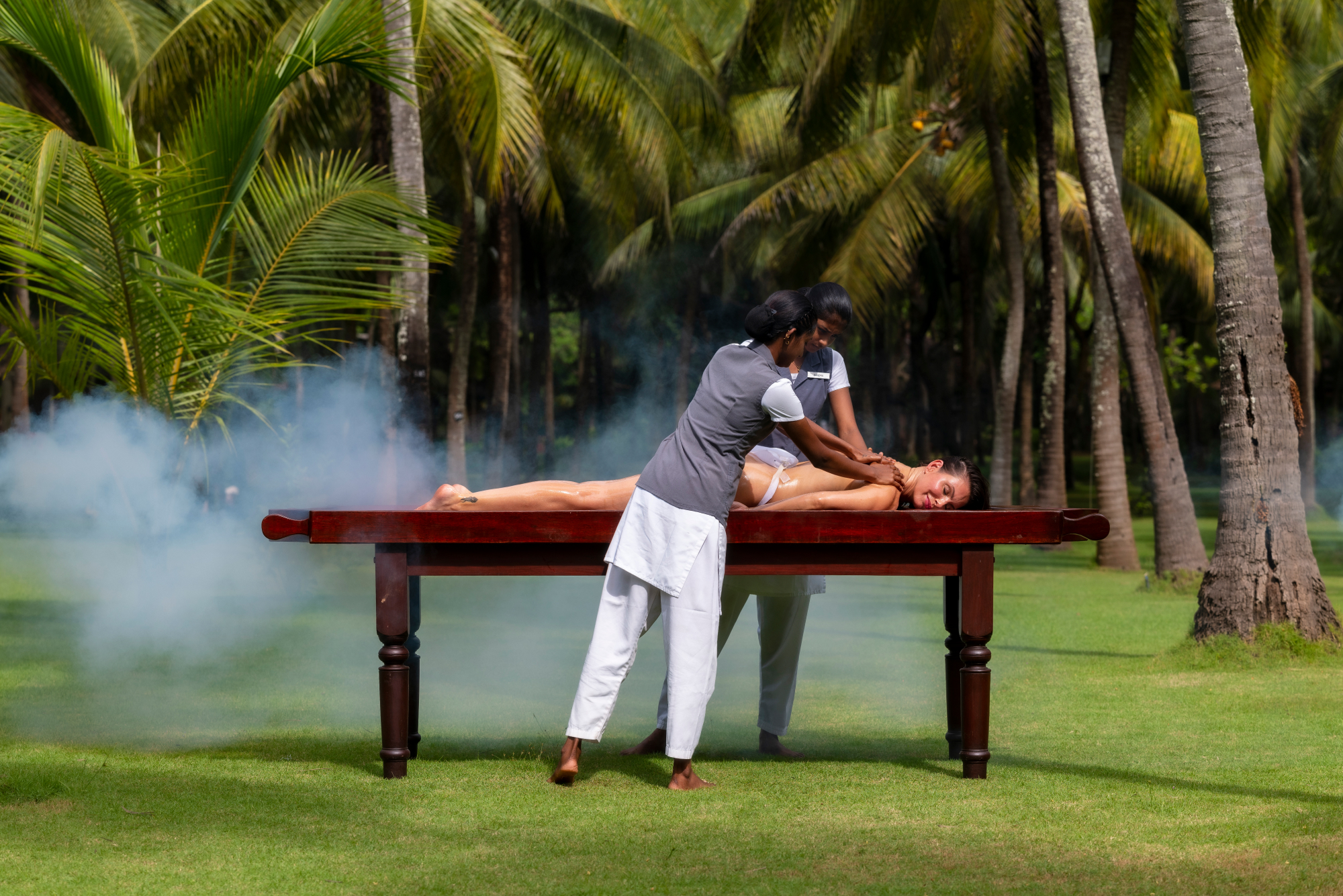
Pizhichil or Kayaseka is a variety of drava sweda (liquid sudation) in which the warmed oil is poured from a specific height (6 to 9 inches ) to all over the body/ specific...
Read more
Chavitty Uzhichil is a form of massage that originated from the traditional martial art form of Kerala-The Kalaripayattu, which was a school ...
Read more
Dhara is the continuous flow of medicated oil/decoction/milk/ghee/other liquids on a part/whole body. It is a type of Drava Sweda....
Read more
Kadee vasthy is an important treatment designed to alleviate various ailments related to lower back and spine. The word kati means lower...
Read more
When the medicine used is Kashaya or herbal decoction, the procedure is termed as Kashayadhara. Based on the part of body used it can be classified....
Read more
Ksheeradhara is a procedure in which milk boiled with medicinal herbs is poured continuously over the body or head for a particular duration....
Read more
Ksheera Dhooma or “Palpuka Swedam,” is a traditional practice unique to Keraliya Panchakarma methods. It is a type of fomentation...
Read more
Lepam, also known as lepanam or lepana means application or paste. It is a treatment where a prepared herbal paste is applied to the affected part.....
Read more
“Pichu sthoola kavalika”
A thick swab or a cotton pad is called as Pichu.
Pichu Dharana(placing of soaked linen) is a process in which a piece of cloth....
Read more
“PODI/ CURNA” means “POWDER” and “KIZHI” means “POUCH”
Churna Pinda Sweda is a kind of Swedana (sudation) given by powder...
Read more
“ELA” means “LEAF” “KIZHI” means “POUCH”
This is a type of sweda where the fomentation is done by the heated bolus bag containing leaves of medicinal plants.....
Read more
“NJAVARA” is a variety of rice, used in Ayurveda treatment “KIZHI” means “POUCH”
Shashtika shali pinda sweda also known as Navarakizhi....
Read more
Shirovasthy is treatment procedure which comes under murdhni thaila.Murdhni thaila is a procedure of conducting various treatments over head with medicated...
Read more
Sirodhara is a classical and a well-established ayurvedic procedure wherein suitable medicated oil is poured slowly and steadily on the forehead.....
Read more
Takradhara is a special therapy in which medicated buttermilk is poured in a continuous stream over the forehead, in specified manner Takra means buttermilk....
Read more
Eye is one among the sense organs which acts as a window to the external world. According to Ayurveda all the sense organs are having the predominance...
Read more
There are seven ‘Kriyakalpa’ or procedure for eyes as explained in Ayurveda and ‘Tarpanam’ is one among them. ‘Tarpanam’ is a ‘Kriyakalpa’.....
Read more
‘Dhara’ means a continuous stream of liquid and there are several treatment procedure in Ayurveda which follow the principal of pouring....
Read more
The term ‘Thirummal’ is the Malayalam word used as a synonym of Abhyanga which is the oleation therapy or oil massage. At Nattika,...
Read more
Upanäha is a type of localised fomentation (Swedana).
The word Upanaha means to tie or bandage. Upanaha is derived from two syllables “Upa” and “Nah.”.....
Read more
Uro vasthy is an important Ayurveda procedure done to treat various diso0rders related to chest region.
The word Uras means chest region and vasthy....
Read more
The term ‘Uzhichil’ is the Malayalam word used as a synonym of Abhyanga which is the oleation therapy or oil massage. At Nattika,...
Read more
Cosmetic techniques are becoming more and more popular throughout the world, without considering the age or gender of the people who are using it....
Read more
The face is the representation of the self.
Mukalepam, a facial treatment which has its roots in Ayurveda has evolved into a most sought after treatment....
Read more
The fame of Kerala specific Ayurveda treatments are gaining day by day. It is due to the evidence that is pronounced in the State of Kerala....
Read more
In Ayurvedic medical literature, the head is considered to be the prime organ due to various reasons. The head is the seat of all major senses. It also provides the location.....
Read more
Ayurvedic Panchakarma is gaining popularity throughout the World!
A proper Panchakarma treatment requires expelling out the problematic....
Read more