





Why International Travelers Choose Ayurveda Centers in India for Holistic Healing
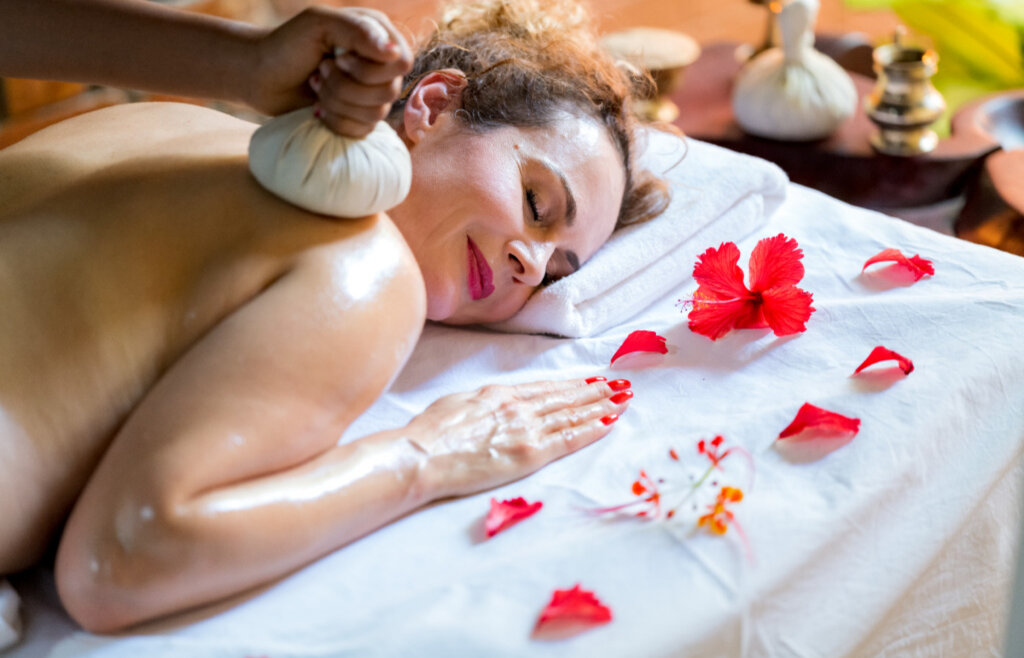
International travelers choose an Ayurveda center in India because it offers access to traditional healing methods, experienced practitioners, and personalized ayurveda treatment plans rooted in a 5,000-year-old medical system. These centers combine diagnosis, herbal therapy, and lifestyle guidance in one location, which is difficult to replicate outside India.
What Can You Expect From Your First Ayurvedic Oil Massage?
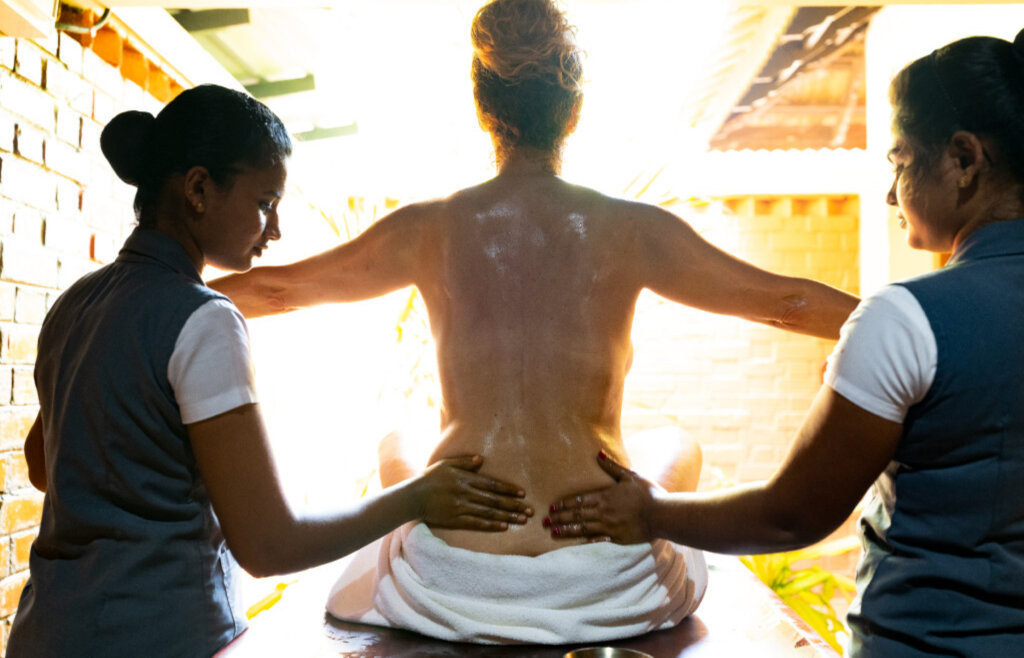
You book a session, you’re not sure what to expect from the massage , you don’t know if it’ll hurt or feel amazing, and that’s normal. A first Ayurvedic oil massage usually starts with a quick chat about your body type, moves into warm oil applied in slow, deliberate strokes, and ends with you lying still for a bit while the oil sinks in. Most sessions run somewhere between 45 to 60 minutes, and you’ll shower afterward with warm water, not cold.
Shirodhara: what it is, how it works, and why people cry during it
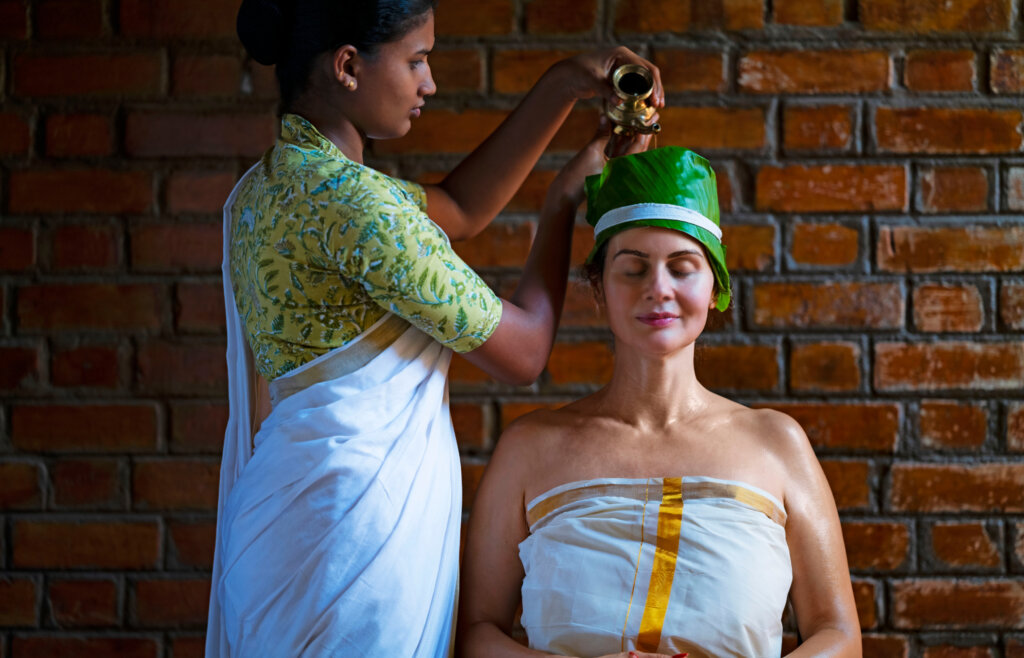
There is a moment in Shirodhara – usually around the ten-minute mark – when the body stops trying to think and simply surrenders. For some guests, that surrender arrives quietly. For others, it arrives as tears. If you have ever wondered what this ancient Ayurvedic therapy actually does, why it feels so profoundly different from a regular head massage, and why emotional release during a session is more common than most people expect, this guide is for you.
Why Anxiety Is Rising Globally and How Grounding Therapies Calm the Nervous System

ganization now reports that more than one billion people worldwide live with mental health condiIn 2026, anxiety is no longer a private struggle whispered about in clinics. The World Health Ortions, with anxiety and depression being the most common. As pressure builds across work, finances, and global news cycles, amplified by social media, more travellers are looking beyond quick fixes toward slower, body-led approaches.
Chronic Back Pain & Joint Stiffness? How Kerala Panchakarma Treatment Offers Lasting Relief
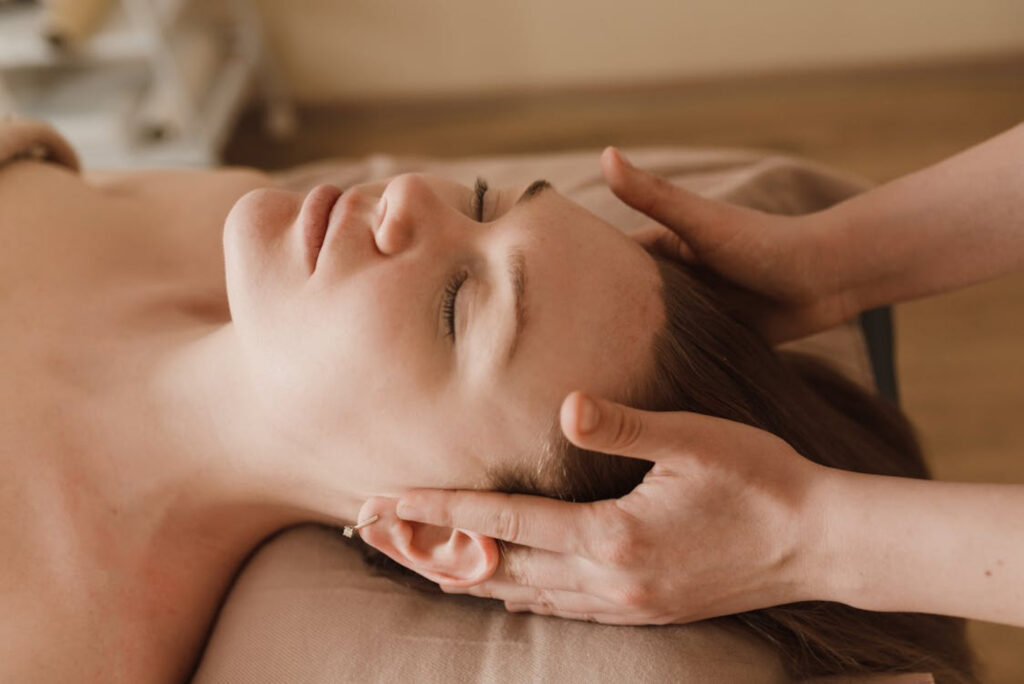
Living with chronic back pain or stiff joints can quietly shrink your world. Sitting turns uncomfortable, sleep becomes patchy, and simple movements like bending to tie a shoelace begin to feel like a negotiation with your own body. In 2026, with rising screen time, desk-bound routines, and growing stress levels, more people than ever are searching for relief that outlasts the next painkiller.
Kerala Panchakarma, the crown jewel of traditional Ayurvedic therapy, has been quietly helping travellers from around the world ease persistent back pain and joint stiffness for centuries. Rather than silencing symptoms, it works on the root cause by cleansing the body, nourishing tissues, and restoring natural mobility.
Ayurveda treatment in South India: Why Kerala is the best destination
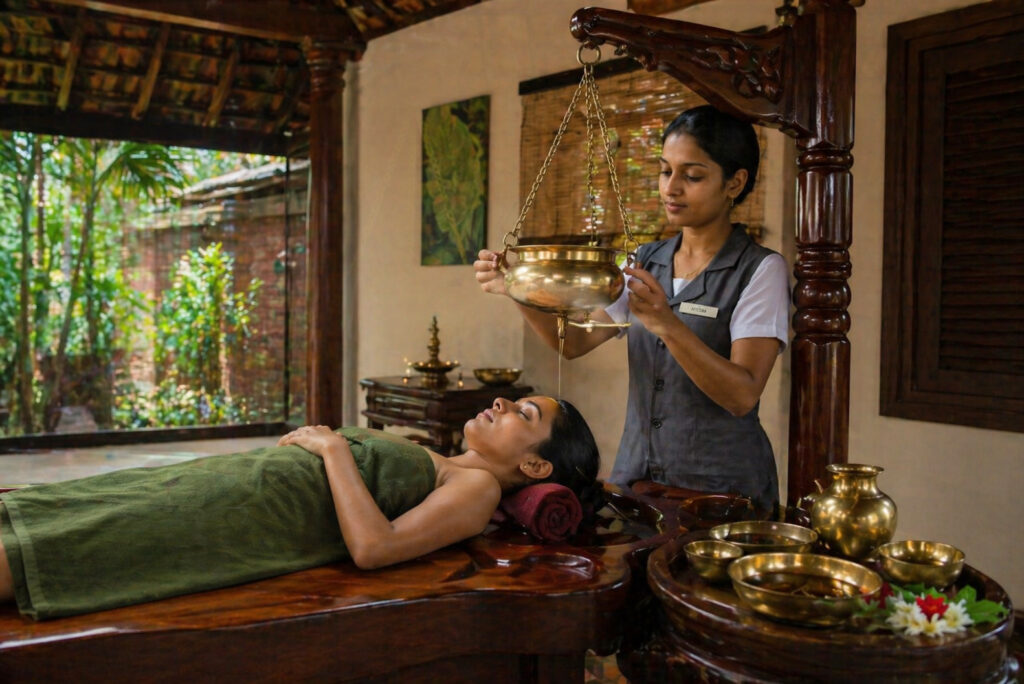
If you are planning Ayurveda treatment in South India, Kerala is the benchmark you should compare every other destination against. A Kerala Ayurveda retreat is not just a wellness holiday, it is care delivered in the region that preserved Ayurveda as a living medical system for thousands of years.
When you are investing serious time and money, and you want safe, physician led treatment instead of spa style therapies, Kerala is the place you should go to.
What Makes an Authentic Kerala Ayurveda Treatment Different From Spa Therapies
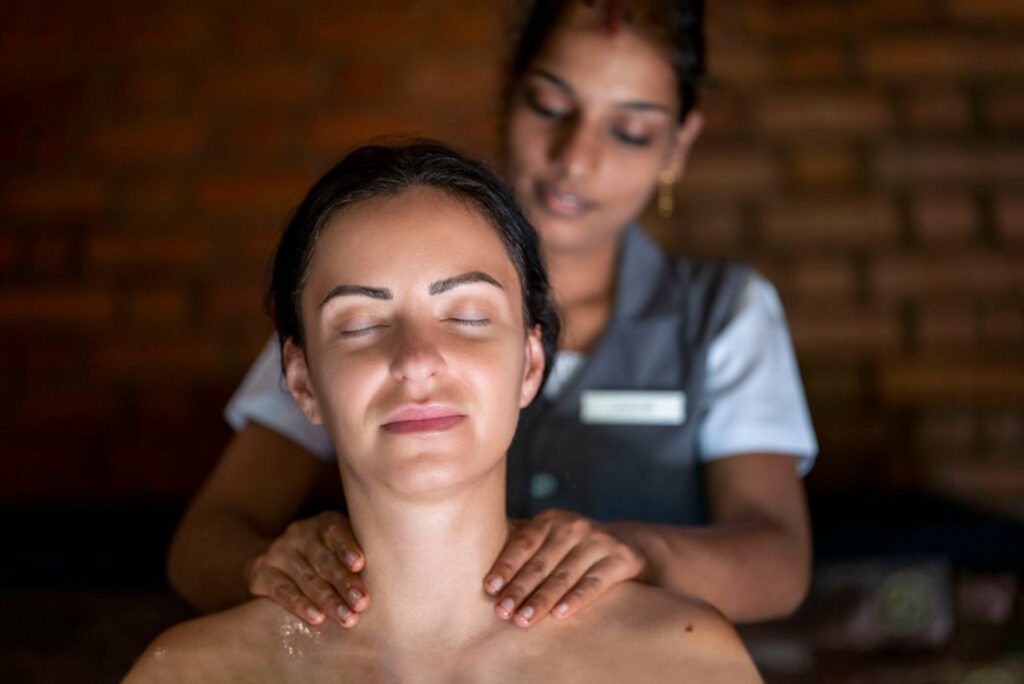
An authentic Kerala Ayurveda treatment is a diagnosis based therapy guided by an Ayurvedic doctor, using medicinal herbs, diet, and herbal oils. A spa therapy is mainly for relaxation, usually without dosha diagnosis or clinical supervision. This is the simplest way to understand Ayurveda vs spa.
Ayurvedic massage – procedure, effects, and types
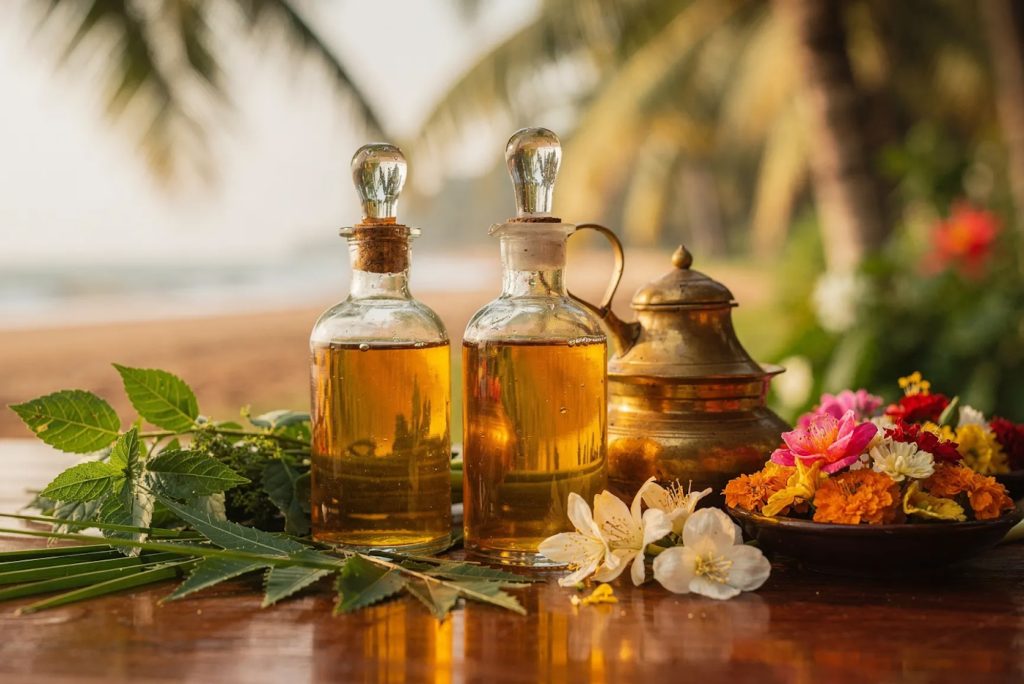
In Ayurveda, massages are not seen as a luxury. It is a quiet, grounding way to support balance, especially in a fast, overstimulating world. In Kerala, this tradition has been preserved with great care, which is why many travelers seek kerala ayurvedic massage as part of a slower, more mindful retreat experience.
Triphala in Ayurveda: Effects, Dosage & Interesting Facts
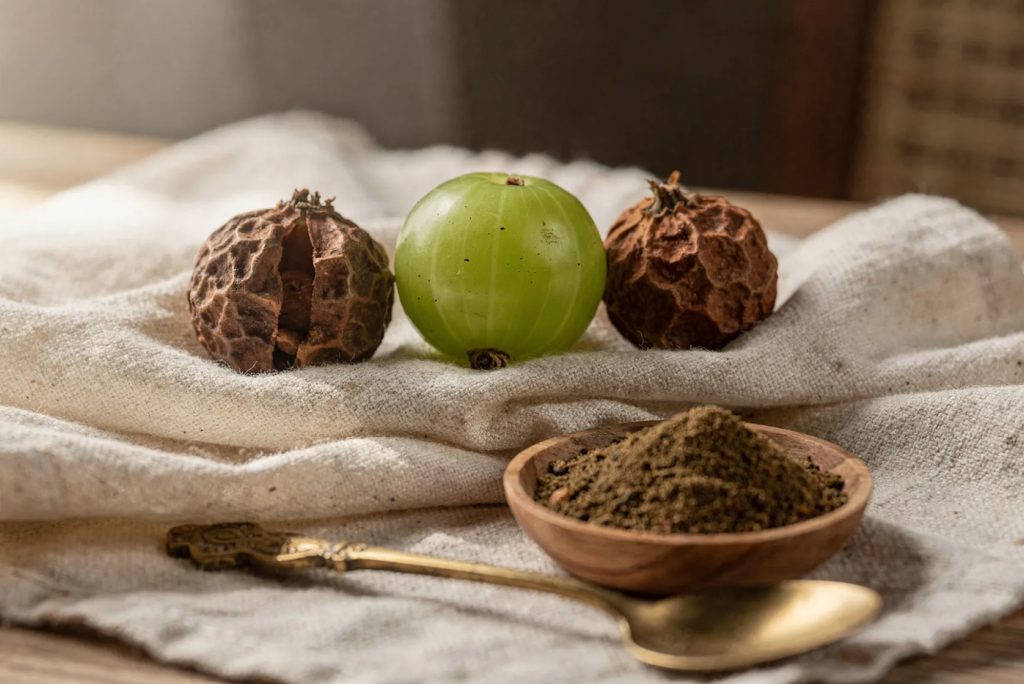
Triphala is one of Ayurveda’s most respected herbal blends, valued not for quick fixes, but for its steady, balancing nature. In daily life, people often turn to it as a gentle companion to routine, seasonal transitions, and mindful eating. When understood traditionally, Triphala effects are best described as supportive and harmonizing and rejuvenating, which has multiple indications especially when used with appropriate diet, sleep, and lifestyle.
Abhyanga Massage for Stress Relief and Nervous System Balance
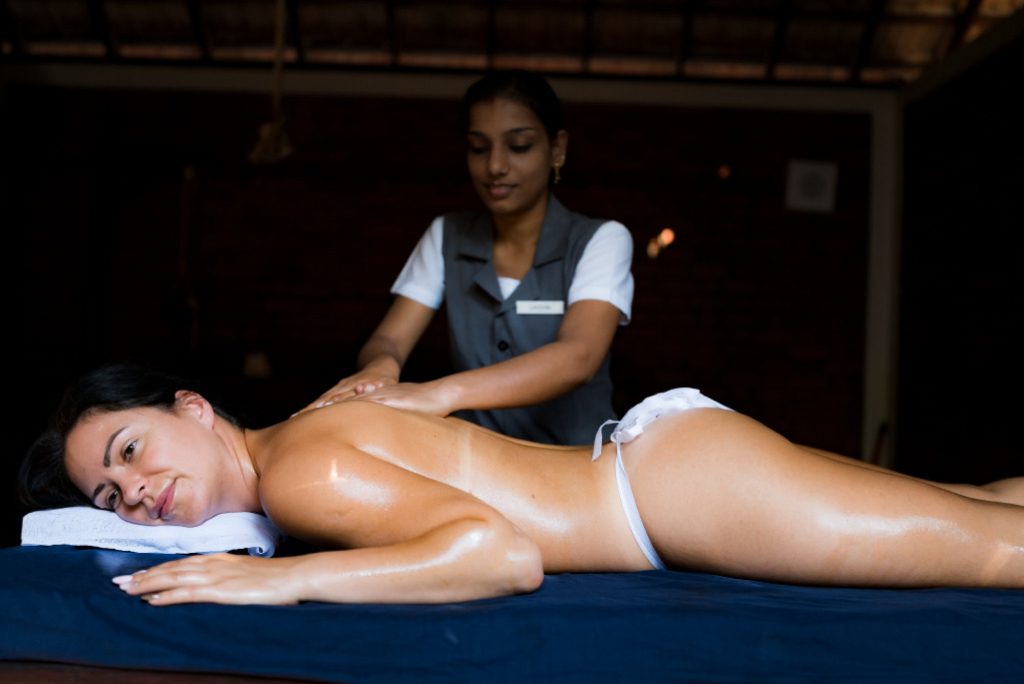
Many people look to Abhyanga massage for stress relief because the ritual combines warmth, steady touch, and unhurried rhythm. It is a classic oil massage in the Ayurvedic tradition, often shared as part of Ayurvedic massage in Kerala. With simple methods and thoughtful pacing, Abhyanga aims to settle the mind and restore a calmer baseline for the day.