

Why International Travelers Choose Ayurveda Centers in India for Holistic Healing
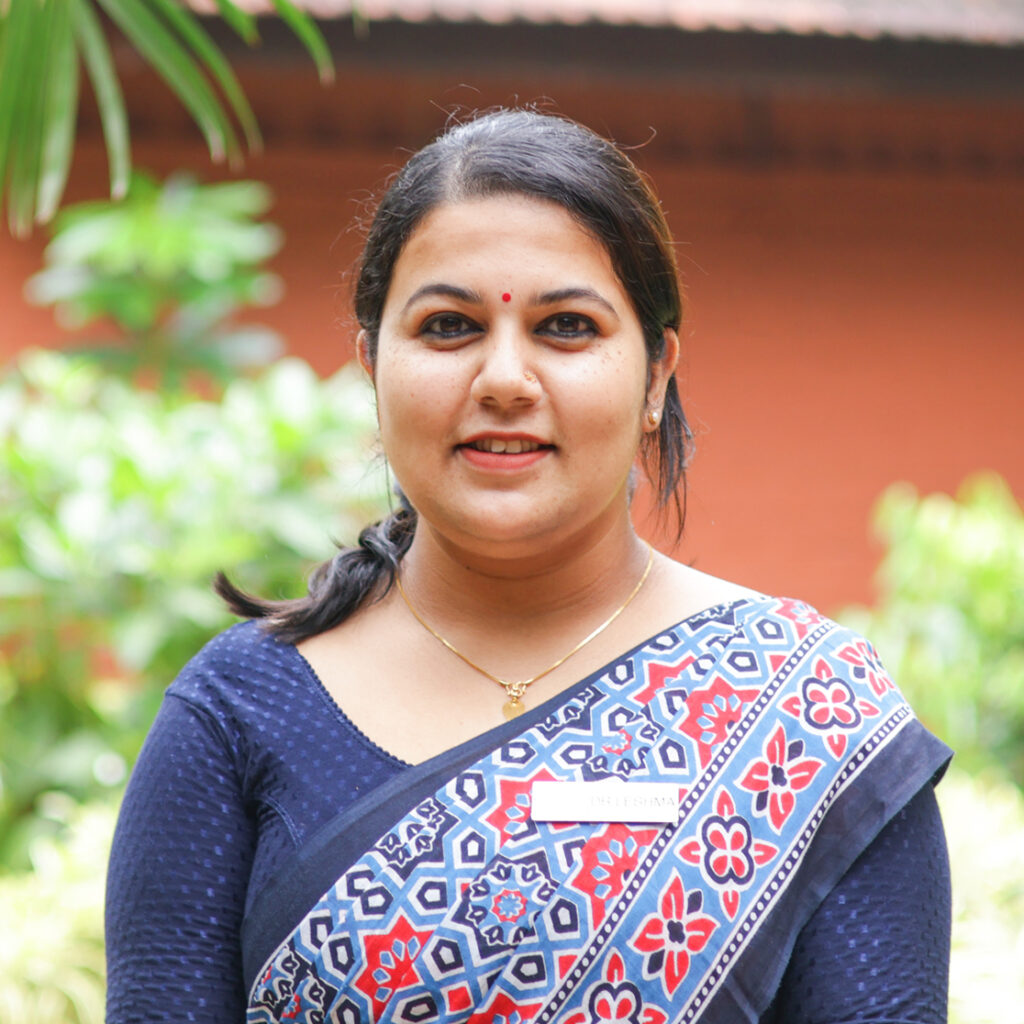
Dr Leshma Vijay

Consultant Physician
The Nattika Beach Resort
International travelers choose an Ayurveda center in India because it offers access to traditional healing methods, experienced practitioners, and personalized ayurveda treatment plans rooted in a 5,000-year-old medical system. These centers combine diagnosis, herbal therapy, and lifestyle guidance in one location, which is difficult to replicate outside India.
- What it is: A dedicated facility offering Ayurvedic diagnosis, herbal treatment, and ayurved therapies like Panchakarma under trained practitioners.
- Where it is commonly used: Kerala, Karnataka, Rajasthan, and Uttarakhand host the highest concentration of established centers.
- Why it is chosen: Access to authentic, root-cause treatment rather than only symptom management.
- A key consideration: Treatment duration often requires 7–21 days, which affects trip planning and cost.
What Is an Ayurveda Center in India?
An ayurveda center is a licensed facility where trained Ayurveda physicians assess a person’s body or dosha imbalance(Vikruthi)and prescribe individualized treatment. Centers typically combine consultation, herbal medicine, therapeutic massage, ayurveda diet planning, and yoga. Some operate as standalone clinics, while others are attached to resorts or hospitals. Government-recognized centers follow protocols set by India’s Ministry of AYUSH, which oversees Ayurveda, Yoga, and other traditional systems.
Why Do International Travelers Prefer Treatment in India Over Their Home Country?
India remains the origin point of Ayurveda, meaning practitioners are trained in institutions that have taught the system for generations. Herbs used in treatment are often sourced locally and prepared fresh, rather than imported or synthesized. Costs are also comparatively lower than similar wellness programs in Europe or North America, even after accounting for travel. However, travelers should verify that a center holds proper AYUSH accreditation before booking, since not all facilities marketed as Ayurvedic follow standardized practices.
Ayurveda Treatment in India vs. Home Country: What Is the Difference?
Factor | Treatment in India | Treatment in Home Country (Europe/North America) |
Origin & Training | Practitioners trained at certified institutions that have taught Ayurveda for generations | Often trained through shorter certification courses outside the traditional system |
Herbal Sourcing | Herbs typically sourced locally and prepared fresh for each treatment | Herbs often imported, pre-packaged, or partially synthesized |
Cost | Comparatively lower, even after factoring in international travel | Generally higher due to import costs and local practitioner rates |
Accreditation Standards | Varies by center; AYUSH accreditation confirms standardized practice | Regulation varies widely by country; oversight may be limited or informal |
What Treatments Are Commonly Offered at an Ayurveda Wellness Center In India?
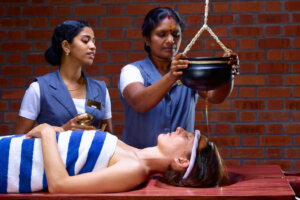
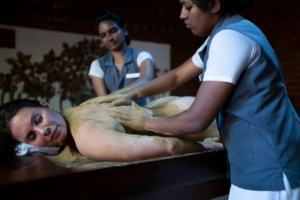
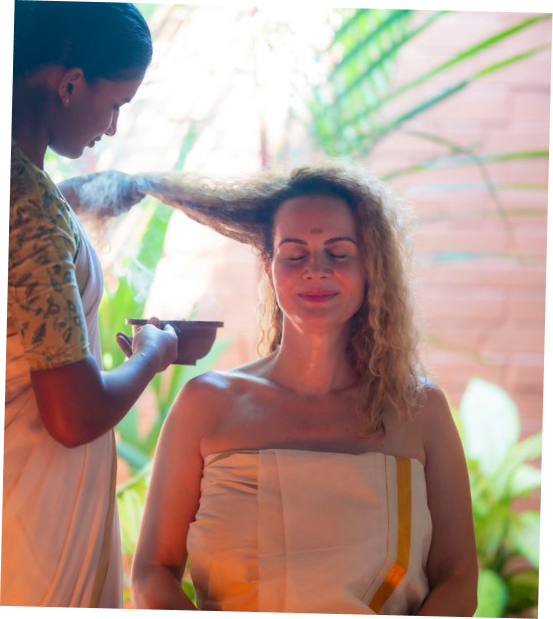
Most facilities offer a core set of therapies tailored to individual needs. A typical ayurveda wellness center includes Panchakarma(detoxification) therapies and treatments like Abhyanga(oil massages), Kizhis(herbal poundings), Dhara(herbal pourings) amongst others. It also includes diet and lifestyle recommendations based on the dosha type
Treatment plans are adjusted throughout the stay based on how the individual responds, which is different from fixed spa packages found elsewhere.
How Long Does a Typical Ayurveda Treatment Program Last?
Program length depends on the health concern being addressed. Wellness or stress-related programs may run 7–10 days, while chronic conditions such as joint disorders or digestive issues often require 14–21 days for measurable results. Shorter programs under a week are available but are generally positioned as introductory or rejuvenation packages rather than corrective treatment. Centers typically recommend a minimum stay to allow the body to complete a full detoxification cycle.
What Should Travelers Check Before Choosing an Ayurveda Health Center In India?
Not every facility labeled as Ayurvedic delivers the same standard of care. Before booking a stay at an ayurveda health center, travelers commonly verify:
- AYUSH or state government accreditation
- Qualifications of the treating physician (BAMS degree or equivalent)
- Whether raw materials and herbal formulations are tested for purity
- Reviews from prior international patients regarding hygiene and outcomes
This due diligence matters because treatments involve internal herbal medicine and physical therapies that should be supervised by licensed professionals.
FAQ'S
Accredited centers following AYUSH guidelines are generally considered safe. Travelers should confirm the center’s licensing, physician qualifications, and hygiene practices before starting treatment, particularly for programs involving internal herbal medicine.
Most reputable centers require an initial consultation, either in person or online, to assess health history and determine an appropriate treatment plan before arrival.
Costs vary by location, duration, and treatment type, but are generally lower than comparable wellness programs in Western countries, even including international travel expenses.
Many centers coordinate with allopathic doctors for patients managing emergency conditions, though this depends on the specific facility and case.
Monsoon season (June to September) is traditionally recommended for certain detox treatments, as cooler, humid weather is believed to support the body’s absorption of herbal oils.
Yes, diet is a core part of treatment. Most centers provide dosha-specific vegetarian meals designed to support the therapies being administered.
Kerala is widely regarded as India’s leading state for Ayurveda, thanks to its herbal biodiversity, monsoon climate suited to Panchakarma, and generations of practicing families. Coastal areas of Thrissur district, including Nattika Beach, have become known for combining authentic treatment with a restorative seaside setting.
Several cities are known for established Ayurveda traditions, including Kottakkal and Kochi in Kerala, and Thrissur, home to Nattika Beach. Thrissur is often highlighted for combining classical treatment centers with beachfront wellness stays, making it a practical base for travelers who want both structured therapy and a place to rest between sessions.
Latest Blogs