

Ayurvedic Sleep: Ayurvedic Tips and Routines for Better Sleep

Dr Leshma Vijay

Consultant Physician
The Nattika Beach Resort
Ayurvedic Sleep is the practice of preparing your body, senses and mind for deep rest through dosha balance, steady routines, light evening food, calming breathwork and therapies such as Shirodhara. The most effective Ayurvedic sleep routine is simple: eat early, reduce stimulation, warm the body, quiet the mind and sleep at a consistent time.
What Ayurvedic Sleep Means
According to Ayurveda, there is something called “nidra,” which means sleep, and it is regarded as one of the three pillars of good health, together with food and proper living. Sleep is not looked at separately; it should reflect your digestion process, management of emotions, senses and energy throughout the day.
As far as recommendations for sleep provided by modern medicine are concerned, the main idea they share with Ayurvedic medicine is the issue of rhythm. Thus, the CDC mentions that adults should have at least seven hours of sleep, but Ayurveda asks for the reason for not falling asleep.
Is the mind too active? Is digestion heavy? Is the nervous system overstimulated?
This is where the healing power of ayurveda becomes practical.Ayurvedic sleep tips do not offer one fixed sleep hack. It looks at the person, the dosha pattern and the daily routine.
How Ayurveda Explains Sleep Problems and Insomnia
Ayurveda often links disturbed sleep to an imbalance in Vata, Pitta or Kapha. If you want to understand your constitution more deeply, this guide to balancing the doshas for harmony and vitality is a useful companion.
Pattern | Common sleep signs | Ayurvedic focus |
Vata imbalance | Light sleep, worry, waking often, cold hands or feet | Warmth, oil, regular timing, grounding food |
Pitta imbalance | Waking around midnight, heat, vivid dreams, irritability | Cooling foods, less spice, calmer evenings |
Kapha imbalance | Oversleeping, heaviness, sluggish mornings | Lighter dinners, movement, less daytime sleeping |
Ayurvedic Sleep improves when the cause is addressed before bedtime. Ayurveda for insomnia may involve warmth and oiling for a person which helps to balance vatha . Someone with Pitta heat may sleep better after reducing late work, arguments, alcohol and very spicy food.
Ayurvedic Sleep Routine: Tips for Better Sleep
A good Ayurvedic sleep routine should feel calm, repeatable and realistic. Start with a small change for one week instead of trying to rebuild your entire lifestyle in one night.
- Eat dinner early and keep it light: Choose warm, cooked food such as soup, soft rice, cooked vegetables or lightly spiced dal. Heavy, fried and very cold foods can slow digestion.
- Create a quiet sensory window: Dim lights, reduce phone use and avoid intense news, work calls or loud entertainment in the last hour before sleep.
- Warm the body: A warm bath or foot wash helps signal safety to the nervous system. Many Ayurvedic doctors also recommend gently massaging the soles and palms with warm sesame oil or medicated oil when suitable.
- Use slow breathing: Try a few minutes of gentle breathing with a longer exhale and meditation. Avoid forceful pranayama late at night unless guided by a teacher.
- Sleep at a steady time: Ayurveda values regularity. Going to bed at different hours every night can aggravate Vata and make sleep lighter and disturbed.
Yoga can also help when it is restorative rather than stimulating. At The Nattika Beach, practices such as relaxation, breath awareness,meditation and guided rest are often used to calm the mind. For a deeper look at this method, read about Yoga Nidra at Nattika Beach Ayurveda Resort.
Ayurvedic Foods, Drinks and Herbs for Better Sleep
One of the most overlooked aspects of sleep care is nutrition. According to Ayurveda, digestion plays an important role in sleep care, as any undigested heaviness can interfere with good sleep, dreams, and energy in the morning.
A sleep care drink could be warm milk with a tiny pinch of either nutmeg or turmeric, provided that one can digest milk. Chamomile tea, cumin coriander fennel tea, and tulsi could be beneficial as well. Herbs should not be left as a guessing game, especially when one takes medications or is pregnant.
Classical Ayurvedic herbs for sleep such as Brahmi, Jatamansi and Ashwagandha are used in Ayurveda treatment for sleep and stress patterns, but the right herb, dose and timing should be decided by an Ayurvedic doctor. The goal is not sedation. The goal is to restore natural rest.
Shirodhara and Ayurvedic Treatment for Better Sleep
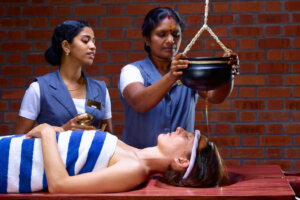
In case there is a problem of lack of sleep that extends into weeks or even happens alongside other conditions such as anxiety, exhaustion, digestive problems, headache, or hormone problems, the best way forward is using a tailor-made therapy instead of any self-medication. Shirodhara for sleep is a very old method that involves dripping warm oil on the forehead, and it is one of the most commonly used methods for relaxing purposes.
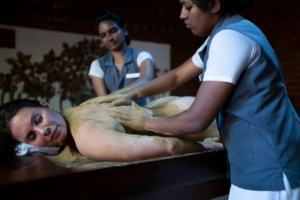
In cases where you go for an Ayurvedic therapy in Kerala, the Shirodhara therapy can be combined with Abhyanga massage, medications, changes in diet, yoga, and changing of daily schedule. Sometimes cleansing therapy may be needed, but Panchakarma is not always necessary for insomnia.
At The Nattika Beach, sleep related care is part of a wider, doctor guided wellness approach. Guests seeking structured support can learn more about personalized healing at Nattika’s Ayurveda Wellness Retreat, where treatment is shaped around constitution, lifestyle and health history.
A Calmer Night Begins Before Bedtime
Better sleep rarely comes from one technique alone. It develops through simple, consistent habits that help the body and mind prepare for rest. Start by eating dinner earlier, creating an hour of calm before bed, and maintaining a regular sleep schedule. If you continue to experience sleep problems, an Ayurveda consultation can help identify the underlying pattern and guide you towards a more personalized Ayurvedic Sleep routine.
For those looking to experience these practices in a structured setting, The Nattika Beach Ayurveda Resort combines doctor-guided Ayurveda treatments, yoga, mindful routines and a peaceful coastal environment to support a more balanced approach to rest and wellbeing.
Contact Us to learn more about Ayurveda programmes at The Nattika Beach Ayurveda Resort.
FAQ'S
Ayurvedic treatment for sleep disorder includes processes which help to ensure the balancing of the doshas, soothing of the nervous system and digestion, and sticking to a regular sleeping schedule. These processes include aspects such as diet, application of oils, breathing exercises, and use of herbs as appropriate.
Vata is most often linked with light, broken or anxious sleep. Pitta can cause waking with heat, intensity or overthinking. Kapha may create heaviness and oversleeping. A proper assessment helps identify the real pattern.
Shirodhara is traditionally used in Ayurveda to calm the mind and support relaxation. It is best taken under the guidance of trained Ayurvedic doctors, especially if you have medical conditions or are receiving other treatments.
Avoid heavy dinners, late caffeine, alcohol, excessive screen use, intense exercise, heated conversations and irregular sleep timing. Ayurveda also discourages sleeping immediately after a large meal.
Latest Blogs