





Ayurveda for Women’s Health: How Ancient Wisdom can transform your Healing Journey

Jiji Peter

Senior Yoga Teacher
The Nattika Beach Resort
Introduction:
Women, the one who could give a lit, lead, the birth of emergence of family and growth of the world. However, they are facing mental and physical challenges. Among the most challenging one is hormonal imbalance. In this blog we are focusing on the hormonal imbalance, how it’s happening and how to treat it with Yoga and Ayurveda.
In today’s fast-paced world, stress, poor diet, and an imbalanced lifestyle can wreak havoc on women’s health, leading to hormonal imbalances, fatigue, and various health issues. But what if the ancient wisdom of Ayurveda and the therapeutic practices of Yoga could naturally restore the balance?
At The Nattika Beach Resort, a luxury resort in Kerala, you can experience authentic Ayurvedic treatments that address hormonal health, digestive health, and overall well-being. This wellness haven combines the timeless principles of Ayurveda with modern comforts, offering a rejuvenating wellness retreat set along the pristine beaches of Kerala.
In this guide, we’ll explore how Ayurveda and Yoga can enhance women’s health, providing practical tips and insights on natural hormone balancing. Whether you’re searching for the best resorts in India or a holistic healing journey, this article will provide everything you need to know.
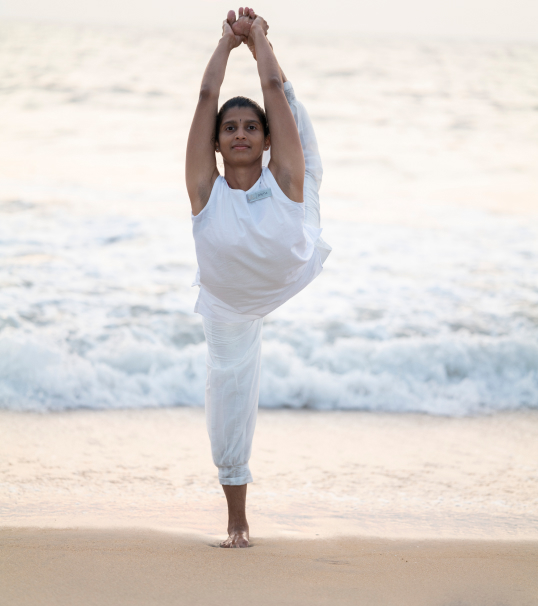
What is Ayurveda? A Timeless Science for Holistic Health
Ayurveda, often called the “Science of Life,” is an ancient Indian system of natural healing that dates back over 5,000 years. Rooted in the ancient Indian Medical wisdom, it offers personalized treatments to address hormonal imbalances, digestive issues, and overall well-being.
The Ayurvedic Principles Behind Women’s Health
- Doshas (Body Constitutions) – Ayurveda identifies three doshas—Vata, Pitta, and Kapha—that govern our body and mind.
- Subacute back painPrakriti (Individual Constitution) – Each woman has a unique prakriti, influencing hormonal health and overall wellness.
- Ojas (Vital Energy) – A key factor in immunity and vitality, Ayurveda focuses on preserving Ojas for long-term health.
The Nattika Beach Resort integrates these principles into its wellness programs, making it one of the best resorts in Kerala for Ayurvedic healing.
Ayurvedic Treatments for Women’s Hormonal Health
- Abhyanga (Ayurvedic Massage) – inborn conditions of axial skeleton can cause the symptom like scoliosis, lordosis.
- Shirodhara – A relaxing therapy that stabilizes the nervous system and hormonal functions.
- Herbal Remedies – Ayurvedic herbs like Ashwagandha, Shatavari, and Triphala are a few among the herbal galore of Ayurvedic Medical Literature to support reproductive health.
- Panchakarma Detox – A complete detoxification process to reset hormonal balance.
At The Nattika Beach Resort, these therapies are tailored to individual needs, ensuring optimal healing.
When practicing Yoga for hormonal balance, it’s important to be mindful of both the poses and your body’s specific needs. Yoga can help regulate hormones, improve circulation, and reduce stress, but following a few key do’s and don’ts will ensure that your practice is safe and effective, particularly if you’re aiming for hormonal balance.
Simple Ayurvedic Practices for Everyday Wellness
Incorporating Ayurveda into daily life can significantly enhance your health. Here are some simple tips:
Diet & Nutrition- Start the day with a glass of warm water to boost digestion.
- Eat hormone-balancing foods like ghee, sesame seeds, and leafy greens.
- Avoid processed foods and excess caffeine.
Lifestyle Adjustments
- Follow a consistent sleep schedule for hormonal harmony.
- Practice self-massage (Abhyanga) with warm herbal oils.
- Engage in meditation and stress-reducing activities daily.
Herbal Remedies
- Drink turmeric milk for anti-inflammatory benefits.
- Use fenugreek seeds to regulate blood sugar and hormones.
- Include Triphala powder for digestive health.
By following these Ayurvedic principles, you can maintain long-term wellness. If you’re looking for a luxury resort in Kerala that offers an authentic healing experience, The Nattika Beach Resort is your ideal destination.
Ready to Experience the Power of Ayurveda?
If you’re seeking a transformative wellness retreat, visit The Nattika Beach Resort, one of the best resorts in India. With expert Ayurvedic Physicians, rejuvenating therapies, and serene surroundings, it’s the perfect place to restore balance naturally.
How Ayurveda & Yoga Support Hormonal Balance
Hormonal imbalances can lead to conditions like PCOS, thyroid issues, mood swings, irregular periods, amenorrhea, infertility, menstrual irregularities, fatigue, weight changes, skin problems, and digestive issues. Ayurveda and yoga offer natural solutions for restoring balance. Yoga can help women manage hormonal imbalances by reducing stress, stimulating the endocrine system, and improving blood flow to the reproductive organs. This holistic approach can support the management of conditions like PCOS and promote overall well-being.As women go through different stages of life—puberty, menstruation, pregnancy, lactation, thyroid imbalances, menopause, and overall well-being—hormones play a significant role. The major hormones involved include estrogen, progesterone, and testosterone.
Estrogen
Estrogen is one of the most important hormones in women. It is a group of hormones that includes estradiol. It is produced by the ovaries, adrenal glands, and fat cells. Estrogen plays a key role in reproductive health, breast development, the formation of hips, and affects hair, skin, bone health, and brain function. There are three main types of estrogen:
- Estradiol:Present during puberty.
- Estriol:Present during pregnancy.
- Estrone:Present during or after menopause.
Progesterone helps maintain the uterus during pregnancy and prepares it for fertilization. It is produced by the ovaries after ovulation and by the placenta during pregnancy. This hormone plays a crucial role in early pregnancy and in preparing the reproductive system for fertilization. It also helps regulate the menstrual cycle.
TestosteroneTestosterone is primarily a male hormone but is also present in smaller amounts in women. It is produced by the ovaries and adrenal glands. Testosterone plays major roles in fertility, sexual desire, bone strength, muscle mass, hair growth, and mood regulation.
Other Important Hormones in the Reproductive System
- FSH & LH (Follicle-Stimulating Hormone and Luteinizing Hormone): Produced by the pituitary gland, these hormones stimulate other hormones and promote ovulation.
- Prolactin: Helps produce breast milk after childbirth.
- hCG (Human Chorionic Gonadotropin): Stimulated during pregnancy, hCG signals the ovaries to continue producing progesterone.
- Oxytocin & Vasopressin: Involved in various functions, especially in childbirth and mother-baby bonding.
When these hormones are over- or under-stimulated, it can affect a woman’s overall well-being. Yoga can help by supporting hormonal balance through physical postures, breathing exercises, and meditation. These practices can reduce stress, improve circulation, and promote the healthy functioning of the endocrine system.
Causes & Symptoms of Hormonal Imbalances
As women, the following factors contribute to hormonal imbalances. Each factor may have different symptoms, but here are the common causes:
1. Menstruation:
Menstruation is the process of shedding the inner layer of the uterus each month, except during pregnancy. It is a natural process that begins at puberty. Estrogen plays a major role in this process, while other hormones like progesterone and serotonin also influence fluctuations. Hormones fluctuate naturally during a woman’s menstrual cycle, which can lead to temporary imbalances, irregular or unpredictable periods, mood swings, anxiety, and sadness, especially around ovulation or menstruation.
2. Pregnancy and Postpartum:
During and after pregnancy, the body undergoes significant hormonal changes that can affect estrogen, progesterone, and other hormones. Symptoms may include food cravings, mood swings, sadness, vomiting, nausea, fatigue, skin pigmentation, hair growth, weight gain or loss, irritation from baby crying, difficulty bonding with the baby, nipple pain, reduced breast milk production, and sleep disorders.
3. Polycystic Ovary Syndrome (PCOS):
PCOS is a condition where the ovaries produce excess male hormones (androgens), leading to hormonal imbalance. PCOS can cause irregular periods, infertility, excess hair growth on the face, acne, skin changes, and thyroid problems.
4. Thyroid Disorders:
An over- or under-stimulated thyroid gland can cause hormonal imbalance. Hypothyroidism (underactive thyroid) and hyperthyroidism (overactive thyroid) affect metabolism and can lead to weight gain or loss, changes in energy levels, mood swings, and overall wellness.
5. Perimenopause and Menopause:
As women age, typically around 40 or older, they begin to experience perimenopause, which is characterized by a decline in estrogen and progesterone levels. Symptoms include hot flashes, changes in body mass, mood swings, hair loss, sleep apnea, vaginal dryness, and night sweats.
6. Stress:
Women often balance family and work responsibilities, which can be more challenging than for men. Chronic stress plays a significant role in hormonal imbalances. It leads to overproduction of cortisol, which can interfere with the smooth functioning of other hormones.
7. Medications:
Certain medications, beauty products, menstrual pain relievers, and birth control can affect hormone levels and their functions, sometimes leading to hormonal imbalances.
8. Diet and Lifestyle:
Poor nutrition, alcohol consumption, smoking, lack of exercise, and being overweight can also influence hormone production and balance.
9. Health Conditions:
Conditions such as diabetes, adrenal disorders, and certain cancers can contribute to hormonal imbalances.
Diagnosis
A healthcare provider can diagnose hormonal imbalances through:- Blood Tests
- Ultrasound
- Physical Exam and Medical History
Treatment Options
Treatment depends on the underlying cause of the hormonal imbalance. First and foremost, it’s important to focus on your own well-being. Take time for self-care, accept the situation, learn about the condition, and understand the changes happening in your body.
Some common approaches include:1. Lifestyle Changes:
- Regular exercise, a balanced diet rich in vitamins and minerals, stress management techniques (e.g., yoga, meditation), and sufficient sleep.
- Good habits like reading and painting can also help balance hormones naturally
2. Medications:
- Under the guidance of an expert doctor.
- Hormonal contraceptives to regulate periods and manage PCOS.
- Thyroid medications if thyroid imbalances are present.
- Hormone Replacement Therapy (HRT) for women going through menopause to alleviate symptoms.
- Medications to regulate insulin levels in women with PCOS.
- Certain supplements, such as Vitamin D, magnesium, or omega-3 fatty acids, may help balance hormones.
- Bestimmte Nahrungsergänzungsmittel wie Vitamin D, Magnesium oder Omega-3-Fettsäuren können helfen, den Hormonhaushalt auszugleichen.
Here’s How Yoga Can Help with Hormonal Balance:
Yoga is about self-awareness — understanding the physical, mental, emotional, and energetic aspects of a person. Yoga helps balance energy through proper food, breath, exercises, relaxation, and thoughts, which not only balances hormonal levels but also improves mental and pranic levels.
1. Physical Health:
- Improves Flexibility: Many yoga poses stretch and strengthen muscles, improving flexibility in the spine, hips, and joints. This can reduce the risk of injury and improve mobility and confidence.
- Enhances Strength and Posture: Yoga helps build strength in key areas like the core, legs, and upper body, leading to better posture, muscle tone, and overall functional strength.
- Promotes Heart Health: Regular yoga practice can help lower blood pressure, reduce cholesterol, and improve circulation, all of which benefit heart health.
- Stress Relief: Yoga activates the parasympathetic nervous system (rest-and-digest), reducing cortisol levels and promoting deep relaxation. This is especially beneficial for women dealing with high levels of stress or anxiety.
- Mindfulness and Emotional Regulation: Yoga encourages mindfulness—being fully present in the moment. This practice helps women become more in tune with their thoughts, emotions, and body, improving emotional resilience and mental clarity.
- Boosts Mood: The combination of physical movement and deep breathing in yoga triggers the release of endorphins, which improve mood and help combat feelings of depression and anxiety.
- Regulates Menstrual Health: Yoga can help alleviate menstrual cramps, regulate periods, and reduce symptoms of PMS. Certain poses stimulate the reproductive system and improve circulation to the pelvic area, supporting hormonal balance.
- Supports Menopause: As women transition through menopause, yoga can help alleviate common symptoms such as hot flashes, mood swings, and sleep disturbances. Yoga practices focusing on deep breathing, relaxation, and gentle stretching can provide relief.
- Supports Healthy Metabolism: Yoga stimulates metabolism through specific postures and controlled breathwork, which can support healthy weight management.
- Mindful Eating and Body Awareness: Yoga helps build a connection between mind and body, encouraging mindful eating and awareness of physical hunger cues, which can support healthy weight management.
- Reduces Insomnia: By calming the nervous system and promoting deep relaxation, yoga nidra can help alleviate insomnia and improve sleep quality, which is crucial for overall wellness.
- Supports Relaxation Before Bed: Evening yoga poses, such as gentle stretches and restorative poses, can promote relaxation and prepare the body for restful sleep.
Certain yoga poses target specific aspects of women’s wellness, whether it’s reducing stress, improving flexibility, or balancing hormones. Here are some key poses:
- Cobra Pose (Bhujangasana): Strengthens the lower back and stimulates the uterus, potentially helping to regulate hormone levels.
- Camel Pose (Ustrasana): Opens the chest and stretches the front of the body, stimulating the thyroid and adrenal glands, which support hormonal balance.
- Garland Pose (Malasana): Improves blood flow to the pelvic region, stretches abdominal muscles and ankles, and may improve the health of organs in the lower body region.
- Setu Bandhasana (Bridge Pose): Stretches the hips, improves blood circulation, reduces stress, and strengthens the lower back.
- Baddha Konasana (Bound Angle Pose): Opens the hips and inner thighs, promoting relaxation and potentially balancing hormones.
- Supta Baddha Konasana (Reclining Bound Angle Pose): Helps regulate the endocrine system and improves emotional equilibrium.
- Prasarita Padottanasana (Standing Wide-Legged Forward Bend): Stretches the spine and hamstrings, and can help reduce stress and improve circulation.
- Sun Salutation (Surya Namaskar): A sequence of poses that warms the body, improves circulation, and stimulates the endocrine system.
- Locust Pose (Shalabhasana): Strengthens the back muscles and stimulates the reproductive organs.
- Half Moon Pose (Ardha Chandrasana): Strengthens the core and improves balance, while also stimulating the reproductive organs.
- Child’s Pose (Balasana): A gentle resting pose that calms the mind and reduces stress, crucial for maintaining hormonal balance.
Pranayama channels energy through the energy channels or boosts energy by cleansing the physical system and energy channels. It leads to mental clarity and overall well-being.
- Alternate Nostril Breathing (Nadi Shodhana): This technique helps balance the nervous system, calm the mind, and regulate the functioning of the endocrine system. It is particularly beneficial for balancing stress-related hormones like cortisol.
- Ujjayi Breathing: This gentle breathwork helps increase oxygenation, reduce stress, and calm the mind. It can be practiced throughout a yoga session to support overall hormonal health.
- Sitali / Seethkari / Sadanta Pranayama (Cooling Breath): A great breath technique for reducing stress and anxiety, cooling the body, and calming the mind.
- Bramari Pranayama: This humming breath helps release stress, enhance focus, and improve memory and sleep.
Practicing meditation regularly can help reduce the impact of stress, anxiety, and emotional turbulence, which can contribute to hormonal imbalances. Mindfulness meditation or guided visualizations can help calm the nervous system and bring a sense of peace and balance.
9. Yoga Nidra:
Also known as “yogic sleep,” this guided relaxation practice helps deeply relax the body and mind. It reduces cortisol levels and balances hormones while promoting overall well-being.
Yoga for Specific Stages in a Woman’s Life
1. Yoga for Menstrual HealthIts better to avoid the yoga practises during the menstrual periods rather than better top do before it to decrease pains like in abdomen and back and easy flow of the blood and reduces thew muscle ache and improve the quality of sleep and energy and relaxation.
2. Yoga for Pregnancy
Prenatal and postnatal yoga helps for women for the better awareness and courage and confidence. Its helps to get rid of post-partum its helps for low risk of back pain, mood swings, easy labour by strengthening the back and opening the hips alleviates the stress, and boost the hormones for lactation. And motherhood feelings. But make sure to practise under the guidance of doctor and avoid the deep twisting and inverted posters and the posters with more pressure on abdomen and hips.
3. Yoga for Perimenopause and Menopause
In this its helps to a complete strengthening and refreshing of yourself and prepare the easy dealings of sleep, hot flashes, stress. especially pranayama’s and meditations make its more confident and healthier.
Golden Keys for Hormonal Balance in Yoga
Proper breath
Proper food
Proper exercises
Proper relaxation
Proper thoughts
Conclusion
Yoga is a way of living that helps take a holistic approach, especially for women. Yoga allows you to listen to yourself and be ready to accept who you are. It helps bring balance to your physical, mental, and emotional sides. The most important factor in addressing hormonal imbalances is awareness. Often, people ignore or blame women for these conditions, but it is better to understand the cause, recognize the symptoms, and seek appropriate treatments to manage these imbalances. First and foremost, love yourself. Everyone has duties and responsibilities, but it is important to allocate time to care for yourself, love yourself, and provide time for yourself rather than constantly focusing on others. Women must prioritize their own lives, as nourishing oneself can make a significant difference in family life and even in the world. Be proud, healthy, and happy as a woman.
Yoga for Women’s Wellness
Practicing yoga alongside Ayurvedic treatments enhances overall hormonal health. Key yoga poses include:
Whether you’re planning a wellness retreat or searching for luxury resorts in Kerala, Nattika Beach Resort offers customized yoga sessions for complete well-being.
Contact us today to book your Ayurvedic experience!
FAQs
Frequently Asked Questions1. How does Ayurveda help with hormonal balance?
Ayurveda uses herbal remedies, dietary changes, detox therapies, and yoga to regulate hormones naturally.
2. What makes Nattika Beach Resort the best Ayurvedic retreat?
The resort offers expert Ayurvedic guidance, personalized treatments, and a tranquil beachside setting, making it one of the best resorts in Kerala for holistic healing.
3. Can I experience Ayurveda even if I’m a beginner?
Absolutely! The resort offers tailored programs for both beginners and experienced wellness seekers.