


Seasonal Harmony: Yoga Through the Seasons with Ayurveda

Jiji Peter

Senior Yoga Teacher
The Nattika Beach Resort
Nature is our greatest teacher. As the seasons change, everything in the natural world – plants, trees, animals, wind, sunlight, and temperature – undergoes continuous transformation. As human beings, we are not separate from nature; we are an inseparable part of it. When nature changes, our bodies and minds also respond. Learning to live in harmony with these natural rhythms is the very essence of Ayurveda and Yoga.
At Nattika Beach Ayurveda Resort, we believe that true health is sustained not by resisting nature, but by understanding and aligning ourselves with it. With this intention, our Ayurveda and Yoga team conducted an interactive lecture session titled “Seasonal Harmony: Yoga Through the Seasons with Ayurveda” on December 18th, offering our guests a deeper understanding of seasonal living (Ritucharya).
An Interactive Learning Experience
The session was thoughtfully designed as an engaging and experiential learning journey rather than a conventional lecture. Using a detailed PowerPoint presentation along with informative guest handouts, we explained how seasonal changes influence:
- Nature and the environment
- The balance of the three doshas (Vata, Pitta, Kapha)
- Digestion, immunity, physical strength, and mental well-being
- Lifestyle habits, food choices, yoga practices, and self-care routines
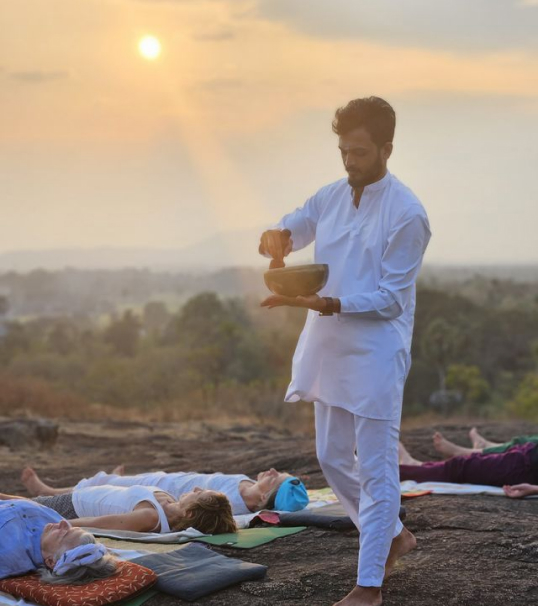
Each concept was demonstrated practically through yoga postures, pranayama, and meditation, practiced together with the guests. This experiential approach allowed participants to directly experience the teachings, ask questions, and reflect on their own bodies, habits, and lifestyles.
Session Facilitators
The session was led by our senior experts, whose combined wisdom created a heart-warming and inspiring experience:Dr. Geethu ,Dr. Nitha ,Mr. Arun – Yoga Teacher
Their collaborative teaching beautifully bridged classical Ayurvedic knowledge with practical yogic application, making the session both accessible and deeply meaningful.
How Yoga and Ayurveda Work Hand-in-Hand
Ayurveda: Understanding Seasonal Changes (Ritucharya)
Ayurveda explains how each season brings specific qualities that influence the doshas. It helps us understand:
- How nature transforms in each season
- How plants, animals, and climate adapt
- How these changes affect digestion, immunity, energy, and mental balance
- Which foods and lifestyle habits nourish the body and prevent disease
Yoga: Supporting Body and Mind Through the Seasons
Yoga complements Ayurveda by offering practical tools to balance these seasonal influences through:
- Asanas (postures)
- Pranayama (breathing techniques)
- Meditation and relaxation
- Mindful daily routines
Together, Yoga and Ayurveda create seasonal harmony, allowing health, clarity, and vitality to arise naturally.
Seasonal Nutrition & Digestive Awareness
(Ahara According to Ritucharya)
Ayurveda places great importance on food as medicine. As the seasons change, our digestive fire (Agni), strength, immunity, and tolerance also fluctuate. Eating foods that are appropriate to each season helps maintain balance, prevent disease, and support overall well-being.
Shishira (Late Winter)
Dosha Changes: Kapha & Vata increase
Goal: Warm the body and maintain flexibility
Yoga Focus: Dynamic flow, heat-building practices
Recommended Asanas:
Surya Namaskar (fast-paced), Utkatasana, Bridge Pose, Camel
Avoid: Excess cold exposure, fasting, heavy and sleepy sequences
Changes in the Body:
- Retained internal heat increases digestive fire
- Good strength, but imbalance may occur if nourishment is insufficient
Food to Avoid:
- Excessively spicy foods
- Bitter and astringent tastes
- Cold foods and cold drinks
Recommended Foods:
- Nourishing foods such as meat, meat soups, milk products
- Warm, freshly cooked meals
- Ghee, oils, sweet–sour–salty tastes
- Wheat, freshly harvested grains, sesame oil
Vasanta (Spring)
Dosha Changes: Kapha aggravation
Goal: Detoxification and circulation
Yoga Focus: Strong vinyasa, twists, inversions
Recommended Asanas:
Parivritta Trikonasana, Navasana, Sarvangasana, Twisting Chair
Avoid: Daytime sleep and excessive rest
Changes in the Body:
- Prone to colds, asthma, indigestion, and allergies
Food to Avoid:
- Heavy, difficult-to-digest foods
- Excess oils, fats, sweet and sour foods
Recommended Foods:
- Old barley, wheat, honey
- Dry, light, easily digestible foods
- Goat, rabbit, or chicken meat (roasted or grilled)
- Fermented drinks and wine (in moderation)
- Warm water with honey or water boiled with ginger
Grishma (Summer)
Dosha Changes: Vata & Pitta increase
Goal: Cooling and relaxation
Yoga Focus: Gentle stretches, forward bends, cooling pranayama
Recommended Asanas:
Child’s Pose, Forward Bends, Moon Salutation, Supta Baddha Konasana
Avoid: Hot yoga, intense exertion, midday practice
Changes in the Body:
- Reduced strength
- Excess sweating, thirst, tiredness, irritability
Food to Avoid:
- Alcohol and strong wines
- Excessively salty, sour, spicy, or pungent foods
- Very hot foods
Recommended Foods:
- Cool, sweet, watery foods
- Natural cooling drinks, fruit desserts, sweet herbal beverages
- Sweetened churned yogurt (buttermilk)
- Water stored in clay or mud pots
Varsha (Monsoon)
Dosha Changes: All three doshas disturbed (Vata dominant)
Goal: Grounding and stability
Yoga Focus: Slow, steady, restorative practices
Recommended Asanas:
Malasana, Vajrasana, Parivritta Vajrasana, Cat–Cow, Balancing poses
Avoid: Jumping, fast transitions, barefoot walking
Changes in the Body:
- Weak digestive fire
- Low immunity and reduced energy
Food to Avoid:
- Heavy, cold, raw, fried, and water-logged foods
- Leafy vegetables, fermented foods, yogurt
- Excess salt
Recommended Foods:
- Warm, light, freshly cooked meals
- Rice, barley, moong dal
- Bottle gourd, ridge gourd
- Digestive spices (ginger, cumin, turmeric, hing)
- Lightly seasoned meat and vegetable soups
Sharad (Autumn)
Dosha Changes: Pitta aggravation
Goal: Cooling and detoxification
Yoga Focus: Slow vinyasa, heart openers
Recommended Asanas:
Cobra, Moon Salutation, Bridge Pose, Trikonasana, Supine Twist
Avoid: Heated rooms and aggressive practices
Changes in the Body:
- Acidity, rashes, burning sensation
- Headaches and skin issues
Food to Avoid:
- Heavy foods, yogurt, excess oils
- Strong alcohol
- Meat of aquatic animals
- Daytime sleep
Recommended Foods:
- Light, cooling, Pitta-pacifying foods
- Mild, non-spicy, easily digestible meals
Hemanta (Early Winter)
Dosha Changes: Kapha & Vata increase
Goal: Build strength and warmth
Yoga Focus: Heat-building flows and backbends
Recommended Asanas:
Surya Namaskar (fast), Utkatasana, Bridge Pose, Camel
Avoid: Cold exposure and fasting
Changes in the Body:
- Strong digestive fire
- Peak physical strength
Food to Avoid:
- Excess spicy foods
- Bitter and astringent tastes
- Cold foods and drinks
Recommended Foods:
- Nourishing foods like meat, soups, milk products
- Warm, freshly prepared meals
- Ghee, oils, sweet–sour–salty tastes
- Wheat, freshly harvested grains, sesame oil
Seasonal Pranayama & Meditation
- Hemanta, Shishira & Vasanta:
Kapalabhati, Bhastrika, Suryabhedana
Meditation: Energizing breath awareness and warmth visualization - Grishma & Sharad:
Sheetali, Sheetkari, Chandrabhedana, slow Anulom Vilom
Meditation: Cooling moon visualization - Varsha:
Nadi Shodhana, gentle Ujjayi, Bhramari
Meditation: Body scan and mantra repetition (Om Shanti)
Guest Feedback & Reflections
The response from our guests was deeply encouraging. Many expressed gratitude for finally understanding their bodies through the lens of Ayurveda and Yoga.
Key feedback included:
- Appreciation for the PPT and guest handouts for daily application
- Positive feedback on the interactive Q&A session
- Suggestions for more systematic slides and complete asana demonstrations
- Requests for future sessions with greater focus on Ayurveda treatments
- Interest in region-specific seasonal foods for international guests
Moving Forward
Witnessing guests reconnect with nature and gain clarity about their own bodies was truly rewarding for our team. The positive response has encouraged us to continue offering such educational and experiential sessions, sharing Ayurveda and Yoga not merely as therapies, but as a way of life.
At Nattika, we remain committed to guiding our guests toward seasonal harmony, conscious living, and holistic well-being, always in alignment with nature’s wisdom.
FAQ'S
Seasonal living, known as Ritucharya in Ayurveda, is the practice of adjusting food, lifestyle, yoga, and self-care according to seasonal changes. It helps the body stay balanced as nature shifts, supporting digestion, immunity, energy levels, and mental well-being throughout the year.
Ayurveda explains how seasonal qualities affect the body and doshas, while Yoga provides practical tools such as asanas, pranayama, and meditation to restore balance. Together, they help align the body and mind with seasonal rhythms naturally and gently.
Ayurveda teaches that digestive fire (Agni) becomes stronger or weaker depending on the season. These changes influence immunity, strength, and tolerance. Eating seasonal foods and following appropriate routines helps prevent imbalance and supports long-term health.
Yes. Seasonal Yoga practices can be adapted for all levels. The focus is not on intensity but on choosing movements, breathing techniques, and relaxation methods that suit the body’s needs during each season.
Guests can apply seasonal principles by making small adjustments such as choosing seasonal foods, modifying yoga routines, practicing suitable pranayama, and following simple daily rituals. The handouts and guidance provided during the session help integrate these practices at home.
Latest Blogs