

What Can You Expect From Your First Ayurvedic Oil Massage?

Dr Leshma Vijay

Consultant Physician
The Nattika Beach Resort
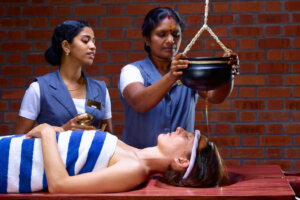
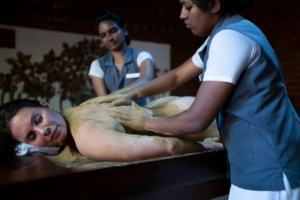
You book a session, you’re not sure what to expect from the massage , you don’t know if it’ll hurt or feel amazing, and that’s normal. A first Ayurvedic oil massage usually starts with a quick chat about your body type, moves into warm oil applied in slow, deliberate strokes, and ends with you lying still for a bit while the oil sinks in. Most sessions run somewhere between 45 to 60 minutes, and you’ll shower afterward with warm water, not cold.
For a quick overview of what the experience entails, here is a practical at-a-glance guide:
Duration: The Ayurvedic oil massage usually lasts 45 to 60 minutes, often followed by a short steam session or rest.
Oil Used: Warm, herb-infused oils such as sesame, coconut, or mustard oil may be used depending on your condition.
Clothing: You will typically undress to your underwear, with a disposable cloth or towel provided for comfort and privacy.
Pressure: The massage uses firm, rhythmic, and repetitive movements rather than deep-tissue or trigger-point techniques.
Key Sensations: You may experience a feeling of warmth, smooth gliding, relaxation, and being grounded during the massage.
Aftercare: After the massage, you may rest for 5–10 minutes, followed by a warm-water shower and a light, warm meal.
What Is Ayurvedic Oil Massage?
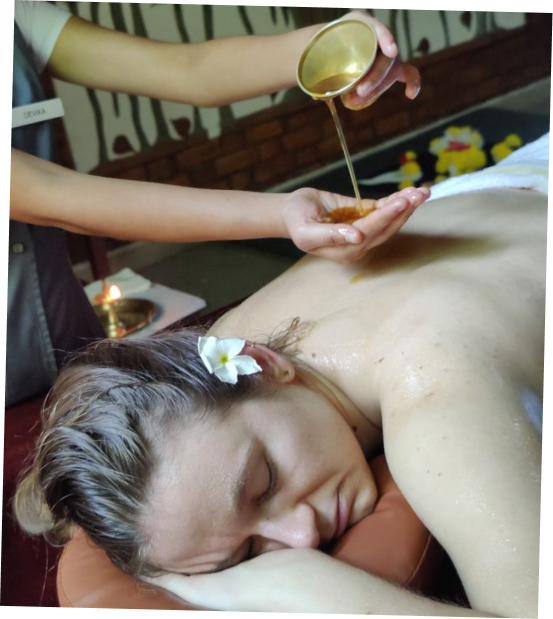
Ayurvedic oil massage, often called abhyanga, is a body treatment rooted in Ayurveda, India’s traditional system of medicine. Instead of treating massage purely as muscle work, it treats the oil itself as medicine. Warm, herb-infused oil is massaged into the body using firm ,rhythmic and repetitive techniques chosen for your ayurveda dosha, the constitution type that’s supposed to describe how your body and mind tend to behave. It’s less about kneading out knots and more about restoring balance.
Who Should Take Ayurvedic Oil Massage?
Honestly, most healthy adults can. People come in for very different reasons:
- Stress relief: a slower, more deliberate alternative to a typical spa day.
- Joint or muscle discomfort: especially nagging tension that hasn’t responded well to other treatments.
- Chronic tension or poor sleep: regular sessions are often used to help the body settle down.
- General self-care: some people simply want a more mindful, hands-on wellness routine.
That said, it’s not automatically right for everyone. If any of the following apply to you, talk to your therapist or doctor before booking:
- You’re pregnant
- You’re recovering from surgery
- You have broken or irritated skin
- You have a known allergy to certain oils
A short conversation up front saves a lot of guesswork later.
What Are the Most Common Oils Used for Ayurveda Massage?
The oil used usually comes down to dosha type and the specific concern being treated:
- Sesame oil: the most widely used base overall. It’s warming, absorbs well, and works particularly well for Vata-type stiffness.
- Coconut oil: the go-to for Pitta types or anyone in a hot climate, since it cools rather than heats.
- Mustard or lighter oils: better suited to Kapha types, who tend to do well with something stimulating rather than relaxing.
- Herb-medicated oils: blends with added herbs like Ashwagandha or Bala, chosen depending on what’s being treated, whether that’s nerve discomfort, muscle pain, or general fatigue.
Kerala’s Ayurvedic tradition in particular leans heavily on sesame-based, herb-medicated oils prepared using older, classical methods rather than store-bought blends.
What Are the Preparations Before an Ayurvedic Oil Massage?
There’s a little groundwork before any oil touches your skin:
Step 1: Health and lifestyle check-in You’ll usually be asked about your health history, current stress levels, sleep, and anything that’s bothering you physically. This is how your dosha and oil get matched.
Step 2: Eat light beforehand. A light meal rather than a heavy one is a good idea, since lying still right after a big lunch isn’t good for anyone.
Step 3: Wear something loose and comfortable You’ll want that on afterward too, while the oil finishes absorbing into your skin.
This whole pre-massage stage usually takes five to ten minutes, but skipping it isn’t really an option. It’s what makes the massage that follows actually suited to you rather than generic.
What Is the Procedure for an Ayurvedic Oil Massage at Nattika Beach Resort?
At Nattika Ayurveda Beach Resort, the process follows a fairly traditional rhythm. It opens with a short consultation where the doctor and therapist gets a sense of your dosha and any specific concerns: tight shoulders, poor sleep, general stress, whatever brought you in. From there, oil is warmed and applied in long, directional strokes, usually working from the feet or head depending on the technique being used that day. Pressure stays lighter than a typical deep-tissue massage; the focus is more on rhythm and absorption than force. Because sessions happen right by the shore, there’s an added layer most spas can’t offer: the sound of the waves in the background while the massage runs its course. Afterward, you’re given time to rest before a warm shower, letting the oil do its work rather than washing it straight off.
What Are the Main Benefits of Ayurvedic Massage Oil?
People report a fairly consistent list of benefits:
- Improve circulation
- Looser, less tense muscles
- Calmer, more consistent sleep
- A general sense of the nervous system settling down
- Support for joint stiffness or chronic tension that hasn’t responded well to other treatments
- Improved skin over time, according to traditional Ayurvedic texts, though this is more traditional knowledge than something backed by extensive clinical research
Worth noting, the benefits tend to build with consistency. One session can feel great, but the deeper effects show up with repeat visits.
How Long Does a Session Take and What Happens Afterward?
Most sessions land somewhere between 45 minutes and an hour and a half, depending on whether you’ve added a scalp or foot-focused segment. Once it’s done, you’re not rushed straight into a shower. Resting for ten to fifteen minutes first lets the oil absorb properly. When you shower, warm water works better than hot, since hot water strips the oil faster than you’d want. Loose clothing afterward is a good call too; your skin stays a little oily for a while, and tight fabric just isn’t comfortable against it.
Conclusion
A first Ayurvedic oil massage isn’t just another spa treatment; it’s a slower, more deliberate process built around the idea that the right oil, applied the right way, does more than relax you for an hour. At Nattika Beach Resort, that process comes with the added pull of the coastline itself, turning what could just be a treatment into something closer to a reset. If you’ve been curious about trying it, there’s really no substitute for booking a session and feeling the difference for yourself, whether you’re going solo or bringing someone along for a couples’ session.
FAQ'S
It shouldn’t be. Pressure is generally lighter than deep-tissue massage. Mild soreness the next day is possible if you were carrying significant muscle tension, but sharp pain during the session isn’t typical and should be reported to the therapist immediately.
Yes, self-massage (abhyanga) with warmed oil is a common home practice. It’s typically simpler than a professional session but still offers circulation and relaxation benefits when done consistently.
Sesame oil is the most common base overall, with coconut oil favored for Pitta types and mustard or lighter oils used for Kapha types. The right choice really comes down to your dosha and what you’re treating, rather than one oil working best for everyone.
A mild herbal scent may linger for a few hours after the session, though most centers offer a warm shower afterward that reduces residual oiliness and scent significantly.
Most practitioners recommend waiting 10 to 15 minutes and using warm rather than hot water, so the oil has a chance to absorb before being rinsed off.
Kerala’s Ayurvedic tradition is known for herb-infused sesame-based oils prepared using classical methods, often medicated with specific herbs for the concern being treated. The preparation process is a large part of what distinguishes it from generic ayurvedic oils.
Yes, this is one of the most common reasons people try it. Warm oil combined with rhythmic strokes is commonly used to ease muscle tension and support recovery, though persistent or severe pain should still be evaluated by a medical professional.
Some oil blends are formulated with women’s specific concerns in mind, such as hormonal balance or postnatal recovery, though the underlying dosha-based selection principle still applies.
Latest Blogs