

Nattika ayurveda retreat | diet and protein metabolism
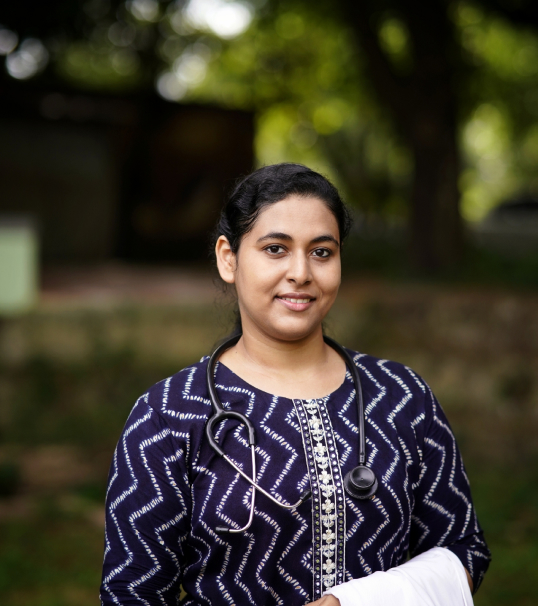
Dr. AKSA ANNA ABRAHAM

Consultant Physician
The Nattika Beach Resort
Ayurveda – is the ancient wisdom of life science which was developed thousands of years ago in the Indian subcontinent. This science explains various principles on daily routine and healthy eating habits which help us to preserve health and immunity. These time tested principles are preventive as well as curative. Ayurvedic theory considers a healthy gut, driven by strong Agni (digestive fire), as the foundation of immunity, mental well-being and overall health. By fostering a balanced Agni (digestive fire) and removing Ama (toxins), Ayurveda aims to maintain a healthy gut microbiome and overall wellness.
This article covers
- The theory of digestion and metabolism as Ayurveda explains
- “Dhathu poshana”or tissue nutrition according to Ayurveda
- Protein metabolism and its correlation with “Dhathu poshana”
- An ideal diet as per Ayurveda
- Is Ayurveda diet fully Vegetarian?
- Ayurveda diet during the course of detox treatment or Panchakarma
- Foods to avoid during Panchakarma detox period
- Why heavy animal protein should not be taken during Panchakarma detox period?

- Recommended protein sources during Panchakarma detox period
- Treatment diet at Nattika Retreats
- List of protein sources during treatment period at Nattika Ayurveda Retreats
- Post treatment diet or Recuperation diet
- Ayurvedic diet is subjective or personalized
- Ayurvedic definition on health
The theory of digestion and metabolism as Ayurveda explains
According to Ayurveda digestion and metabolism are primarily governed by Agni (digestive fire), a transformative force responsible for breaking down food, absorbing nutrients and generating energy.
Agni- digestive fire:
Agni is a term coined for a group of energy forces responsible for metabolism, which controls proper digestion in the gut (Jataragni- digestive fire) and assimilation of nutrients in the tissues (Dhatvagni – metabolic fire/energy force in cellular level). A balanced Agni (Sama Agni) ensures healthy tissue formation and prevents disease, while weak or imbalanced Agni (Mandagni) creates Ama (toxic, undigested metabolic waste).
Process of Digestion:
Digestion is a multi-stage process (Avasthapaka) involving the breakdown of the ingested food under the influence of Agni (digestive fire) in the gastrointestinal tract to minute particles to essence (Sara) which goes to nourish all the tissues (Dhathus) and waste (Kitta) which goes to form all the waste products in the body.
“Dhathu poshana”or tissue nutrition according to Ayurveda
There are seven type of tissues (Dathus) according to Ayurveda. They are Rasa (Plasma or blood devoid of erythropoetic factors / interstitial fluid in body), Raktha (blood- erythropoetic factors like RBC, WBC etc.), Mamsa (Muscle tissues),Medas(Adipose/fat tissue), Asthi (Bone), Majja(Bone marrow) and Sukra(Reproductive tissue).
Dhatu Poshana is the Ayurvedic concept of tissue nutrition, describing how nutrients from digested food (Ahara Rasa) are transformed and transported to nourish the seven bodily tissues (Saptha Dhatus) in a specific, sequential manner. The Ahara Rasa (nutrient from food after digestion) first nourishes the nearest tissue (Rasa or Plasma).
Dhathvagni (Metabolic fire) – Each Dhatu has its own metabolic fire (Dhatvagni) responsible for transforming the nutrients it receives into the tissues sequentially from one to the next (for example – Rasa to Raktha and so on). By the influence of this fire, essence of food or nutrients are transferred to each tissues through minute channels (Srothas) and the tissues specifically get nourished by the selected nutrients from the circulating Ahara Rasa.
Protein metabolism and its correlation with Ayurveda
Protein metabolism comprises the continuous, dynamic processes of protein synthesis (anabolism), breakdown (catabolism) and turnover that maintain nitrogen balance in the body.
Dietary proteins are hydrolyzed in the stomach (by HCl and pepsin) and small intestine (by trypsin and chymotrypsin) into amino acids and peptides, which are then absorbed into the bloodstream. Cells use amino acids to create new proteins through transcription (DNA to mRNA) and translation (mRNA to polypeptide chains), critical for growth, repair and enzymatic function.
Proteins are continuously broken down into amino acids for recycling or degradation. Amino acids are utilized to build functional tissues, or converted into energy and waste products, with the liver playing a key role in regulating amino acid levels.
Protein metabolism and “Dhathu Poshana”
The “Dhatu Poshana” aligns with modern metabolic processes, particularly protein metabolism, in several ways:
Protein Synthesis (Mamsa Dhatu Poshana): The conversion of Ahara Rasa into Mamsa Dhatu (muscle tissue) corresponds to the absorption of amino acids and their synthesis into muscle protein.
Tissue Repair & Growth (Dhatvagni Action): Dhatvagni acts similarly to cellular metabolism (Glycolysis, Krebs cycle), utilizing enzymes to break down nutrients for energy or building blocks
Active & Passive Transport: This can be compared to passive diffusion and active transport, which carry amino acids and nutrients across cell membranes, through srotases (channels)
Sequential Catabolism/Anabolism: In protein metabolism, proteins are broken down into amino acids (part of Rasa), which are then re-synthesized into new structural proteins (like Mamsa or Rakta), indicating a flow of nitrogen/nutrients
Dhatu Kshaya/Vriddhi (Depletion/Excess): When Agni (metabolism) is impaired, Dhatu poshana is affected, leading to either depletion (Kshaya) or abnormal increase (Vriddhi), similar to muscle atrophy or dysfunction in protein turnover
The health of these tissues depends on the strength of the Jatharagni (digestive fire) and the specific Dhatvagni (Metabolic fire).
An ideal diet as per Ayurveda:
An ideal Ayurveda diet comprises a balanced combination of fresh, whole and easily digesting food items customized as per the health condition, digestive power (Agni), body constitution, age of an individual and seasons. Food should be consumed mindfully, prioritizing warm cooked meals, including all six tastes with combination of all food groups, both plant based and animal based. Such combinations are recommended, to obtain all the essential nutrients in correct proportion to meet the daily requirements of the body. Food or Ahara is considered as Mahabhaishajya( supreme medicine). The diet that nourishes both body and mind is considered to be an ideal diet.
Is Ayurveda diet fully Vegetarian?
Ayurveda sees a medicinal value for everything in nature, when used properly. It includes both plant and animal products. Ayurveda diet is not fully vegetarian based. Although it promotes more plant based, freshly cooked food items, it also suggests; to obtain benefits from animal products like meat, fish, eggs and milk products particularly for strengthening and building up the body.
Among the food classifications as Sathvik, Rajasik and Tamasic food items; animal products like meat, fish and eggs are categorized as Tamasic food items that create dullness and lethargy. However, judicious use of these food items are always important for promoting nutrition and physical endurance. This can be achieved through careful cooking, moderating the frequency and quantity, integrating with Sathvik food items like ample amount of vegetables and fruits thereby minimising their tamasic or dulling effect.
Sensible intake of meat of actively living animals, fish from freshwater or lake water, eggs, honey and a wide range of milk products are all part of Ayurvedic eating. Restrictions are advised depending on individual’s health, age, seasons and various other factors.
Ayurveda diet during the course of detox treatment or Panchakarma
During the course of Ayurveda detox or Pancha karma treatment, warm, easily digestible food items to eliminate toxins (Ama) and to rekindle digestive fire (Agni) are recommended. The diet typically approach a progressive method starting with light cooked meal like rice gruel combining mung beans or green gram. The diet also allows well cooked vegetables with moderate spices and minimum salt, to aid digestion and to sooth the digestive tract. The prime aim is to protect the Agni (digestive fire) which is important for improving metabolism and to remove Ama (toxins) from the body. Hydration with warm water, particularly processed with herbs like ginger, cumin are also important to flush out the toxins.
Food recommended during Panchakrarma detox period:
- Well cooked Rice combining mung beans or green gram
- Thin rice gruel(Peya)
- Soups
- Easy to digest cooked vegetables
- Herbal drinks – herbal tea and water
- Fruits – depending on the physician’s advice
- Milk products like tempered buttermilk
Foods to avoid during Panchakarma detox period
- Cold and Raw food
- Iced drinks, smoothies
- Heavy processed food items like processed snacks, chips, refined sugar
- Fast food
- Caffeinated drinks, alcohol, energy drinks
- Non vegetarian food like meat and fish during intensive detoxification
- Fermented food made with yeast and especially aged cheese
Why heavy animal protein should not be taken during Panchakarma detox period?
Eating heavy animal protein like meat is contraindicated during Panchakarma period because it cause hindrance to the fundamental detoxification process. This is also to lighten the load on the digestive fire (Agni) and to support the process of detoxifying the Ama (toxins). By consuming easily digestible food (like mung dal soup or rice gruel) and vegetables with moderate spices during the treatment period; the body can concentrate on removing deep-seated toxins whereas animal protein is heavy (guru) and slow to digest, which causes the Agni (digestive fire) to struggle, leading to the creation of more Ama (toxins).
The heavy animal protein further causes more lethargy, bloating and congestion in the body which disrupts the efficacy of ongoing medications and treatments. Moreover, the combination of animal protein with certain food items like milk products are considered to be Virudhahara (incompatible food combinations) which causes toxic (Ama) accumulation in the body. As certain medicines prescribed in Ayurveda become ineffective while consumed with animal protein, eliminating these food items during the treatment period is inevitable.
Recommended protein sources during Panchakarma detox period
The most important recommendation during Panchakarma detox period, which is vegetarian based, is mung bean (green gram). This is the best source of protein easily digested during the intensive treatment days.
The major protein sources during treatment days are –
- Moong bean or the moong dal and other pulses like chickpeas, beans and other peas
- Rice and moong beans together as kichadi or Kanji
- The combination creates a nutritious, easily digestible, and complete protein source, providing essential amino acids that each lacks individually. The essential amino acid lysine which is low in rice is compensated by moong and the amino acid methionine which is lacking in Moong is compensated by the rice which has high lysine.
- This combination makes a complete protein source, easily digestible and gut friendly. It can be compared to animal protein for muscle repair and growth.
- Moong beans are rich in fibre and nutrients like iron, folate, while the combination provides antioxidants, polyphenols, and essential minerals like potassium and magnesium, supporting heart health and lowering blood pressure.
- Moong beans have low glycaemic index and when combined with rice, help slow glucose release to blood stream, making it a good choice for controlling blood sugar than rice alone.
- Because of the high fibre and protein content this combination is good for weight management and help control appetite.
- Dairy products especially buttermilk tempered with turmeric, curry leaves and ginger; yoghurt and milk for protein and probiotic action
- Nuts and seeds like almonds, walnuts, sesame, peanuts for protein and healthy fats
- Paneer /cottage cheese – easily digestible high quality protein
- Leafy vegetables like amaranth, spinach
- Other vegetables like cauliflower and corn.
The recommendations are decided by the physician depending on the health condition of the individual and also as per the ongoing treatment.
Treatment diet at Nattika Ayurveda Retreats
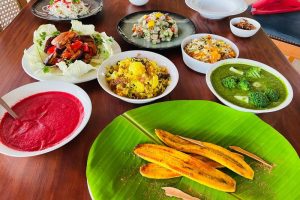
Diet at our Retreat centres strictly adheres to the core principles of Ayurveda for ensuring absolute benefit from the treatment. This diet is carefully curated to meet the nutrition need during the detox period which is planned by the medical team responsible for the diet taking into account the health condition of the individual. As Ayurveda consider food as medicine, our medical and culinary team make sure that every person coming here for treatment are savouring the best food that is helping them undergo detoxification process effectively. This practice of mindful eating has consistently been encouraged throughout our wellness journey.
The treatment days starts with the advice of having a glass of warm water to rekindle metabolism and to ease the stiffness of whole body. Various herbal tea preparations are also advised to boost the detoxification process.
Breakfast:
Fibre, protein and carbohydrate rich breakfast is promoted to ensure sustained energy and alertness, to provide the body needed glucose after the night’s fasting. Fibre aids slow and steady release of energy. High fibre – carbohydrate foods are filling, prevents over eating, helps gut health, improve bowel movement and help to check cholesterol. The Protein in the meal provide metabolism stimulation.
Believing in tradition, regular Indian breakfast options like idli, dosa(legume with cereal), dishes like ragi(millets), mung beans, chickpeas , rice, oats , nuts, seeds are included in the breakfast buffet. These are all being served with various chutneys and sambar (a lentil based South Indian stew with wide range of vegetables) with an array of carminative spices to aid digestion. These are easily digesting sources of a lot many nutrients particularly protein.
Lunch:
A complete, nutritious blend of complex carbohydrates, proteins, fibre and healthy fat are recommended as lunch to ensure satiety and better metabolism.
Protein source include all varieties of pulses/legumes, milk products like paneer, buttermilk, yogurt, nuts and seeds. To provide energy, healthy cereal options like rice varieties especially brown rice, breads like chappathy are being served. Well cooked, steamed roasted /grilled form of diverse selection of vegetables, greens, cruciferous vegetables, carrots and mushrooms form the major portion of food plate. Healthy fats, coconut oil, sesame oil, ghee, nuts and seeds also liven up the plate.
Dinner:
Warm freshly cooked, easily digesting dinner is served with high quality vegetarian soups prepared with utmost care avoiding thickeners and excess cream, moderately spiced vegetable varieties, cereals like rice and Indian Rotis for people who need nourishment and also protein choices like pulses/legumes. Fruits, juices, raw salads and desserts are kept away from the buffet. The dinner here is designed to support the body’s natural detoxification process that is to clear out Ama (toxins). As the Agni (digestive fire) is weak during the evenings, eating light meal helps to prevent the accumulation of toxin, aids in repair and promote better sleep.
Herbal drinks:
To sustain hydration and to help flush out toxins, various herbal teas and herbal water prepared with certain potent herbs as per the formulations advised in the classical textbooks of Ayurveda are served throughout the day.
Fruits, juices and salads
During the day time, seasonal fruits, juices and salads are also available, but given with restrictions as per the physician’s advise and also in accord with ongoing cleansing treatments.
Diet advises are given, during the initial days of treatment after a detailed consultation with the medical team who carry out a thorough analysis of the Agni (digestive fire) of the person.
Suitable diet as per the health condition, allergies and intolerances bring about an effective detoxification.
List of Protein sources during treatment period at Nattika Ayurveda Retreats
| Food groups | Provisions |
|---|---|
| Cereals/grains and breads | Brown rice (Njavara), Quinoa Oats Millets- Ragi, whole wheat |
| Legumes /pulses | Moong beans (green gram), Soy beans , Chick peas, Kidney beans, Green Peas, Lentils Black beans, Red Gram, Horse gram |
| Vegetables and Greens | Spinach, Amaranth, Fenugreek, Drumstick Leaves, Broccoli , Cabbage, Cauliflower, Parsley, Mushrooms, Corn |
| Fruits | Guava, banana, jackfruit , berries, citrus fruits, passion fruit |
| Milk products | Milk, buttermilk, yoghurt, Paneer, cheese. Cream |
| Dry fruits , Nuts and seeds | Dates, Raisins Almonds, Walnuts, Cashews, Peanuts Sesame , Roasted chickpeas |
| Flavouring agent as thickeners, creams | Coconut- as milk, grated and desiccated Cream |
| Ready to eat protein sources | Idli, Dosa, Kanji, Kichadi, porridge, Chappathi, Roti, chutneys, dal /legume dishes or curries, paneer dishes, soy based dishes, Mushroom dishes mixed with vegetables which are served in variations. |
Protein variations for those who need more nutrition support
Our fine dining establishment provide all the necessary nutrient for a person undergoing detox, as the body needs only lightly digesting food sources. In cases where extra nutritional support becomes inevitable, our kitchen is ready with protein rich health drinks involving nuts, seeds, fruits, yoghurt and similar others. Healthy porridges enriched with protein sources are also offered. Moreover, in conditions of extreme debility, heavy protein from animal sources like eggs and medicated meat soups become part of the diet. This dietary modification is executed only after ensuring the gastro intestinal health or Agni (digestive fire) with the physician’s authorization.
Post treatment diet or Recuperation diet
After a full Ayurveda detox regimen, the body will be in a sensitive, tender and healing phase which needs careful transition to the regular life. This recuperation period is crucial so as to allow the body, which feels fragile and lethargic after the detoxification, recover fully and beget all the benefits from treatment. This gradual transition also helps the body to retain the treatment effects for a longer time period.
Along with care in the physical activities and lifestyle restrictions, dietary care plays a major influence in the recovery period. Reintroduction of food should be phased, beginning with warm well-cooked vegetarian choices, enough of hydration with herbal drinks, followed by easily digesting non vegetarian choices (if the person prefer animal products) in the form of eggs, well prepared meat soups particularly of lamb or chicken that helps the body to rehabilitate. Moderation in stimulating beverages like coffee, tea and alcohol are also part of the recovery diet.
The post treatment advises and dietary guidelines as per the health condition are provided at the treatment centre during the last days of the treatment.
Ayurvedic diet is subjective or personalized:
Although Ayurveda proclaims a great many lifestyle and diet rules suitable for all mankind, Ayurvedic diet is certainly personalized. Diet for an individual is determined depending on the primary criteria that is Agni (digestive fire) as it varies from person to person. Along with Agni, the health disorders, body constitution, age, seasons are also salient guiding tools for an Ayurvedic balanced diet.
Treatment in Ayurveda is categorized to two
- Santarpana (Nourishing type)
- Apatarpana (Depleting type of treatment)
These are two opposing treatment modalities used to maintain Dhatusamya (body homeostasis). The decision to use one over the other is based on whether the disease is caused by over-nutrition (Santarpanottha janya) or under-nutrition (Apatarpanottha janya). The diet is also decided following this principle, by promoting light, easily digesting meals for over nourished and highly nutritious, protein oriented diet for undernourished. However, in both treatment methods, protection of the metabolic force or Agni is the ultimate objective.
Ayurvedic definition on health
prasanna atmenindriya manaha swasthya ityabhidheeyate”– Susrutha Samhitha
Health (Svasthya) is defined as a state of equilibrium, not merely the absence of disease.
It involves the balance of the three doshas (Vatha, Pitha, Kapha), proper digestion and metabolism (Agni), healthy tissue function (Dhatus), effective elimination of toxins, and a contented, joyful state of the mind, soul and senses.
To summarize, health is a combined play of physical and mental wellbeing. Ayurveda believes in balancing body with proper lifestyle, sensible eating habits with equal respect to all food groups, positive inclination on thoughts, emotions, senses and contented soul.
Latest Blogs