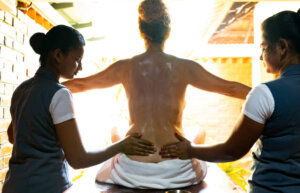


Hormonal Imbalance Treatment in Ayurveda: The Role of Panchakarma and Lifestyle
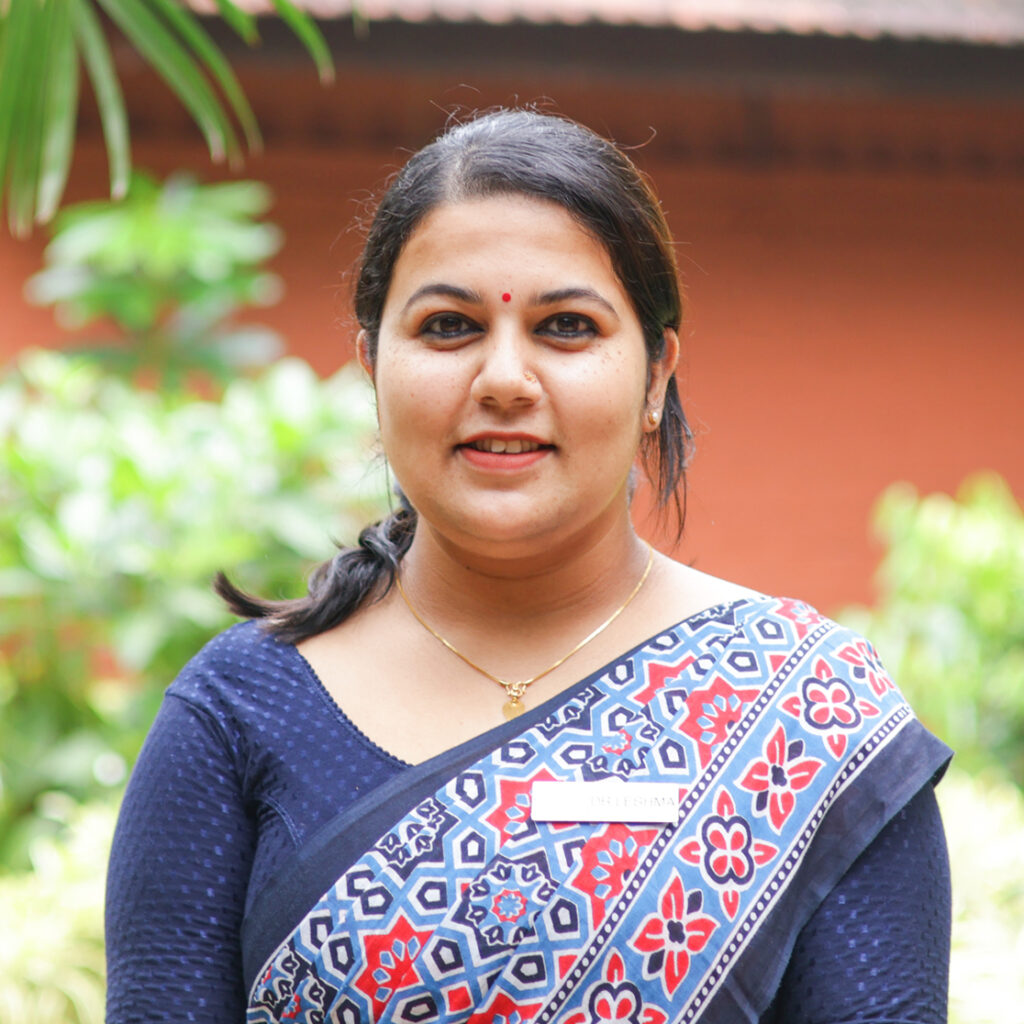
Dr Leshma Vijay

Consultant Physician
The Nattika Beach Resort
Hormonal health plays an important role in various bodily functions, including metabolism, reproductive health, sleep, mood and energy levels. When hormone levels fluctuate or become imbalanced, they can affect overall wellbeing. Hormonal Imbalance Treatment in Ayurveda follows an individualised approach that considers a person’s constitution, health concerns, diet and lifestyle to support overall balance through traditional Ayurvedic principles.
Panchakarma, dietary practices and lifestyle modifications are important aspects of the traditional Ayurvedic approach to hormonal wellbeing. This article explores how Ayurveda approaches hormonal health, the role of Panchakarma and the importance of everyday habits such as balanced nutrition, quality sleep and stress management.
What Does Hormonal Imbalance Treatment in Ayurveda Involve?
Ayurveda approaches hormonal wellbeing through an individualised understanding of the body, considering factors such as Prakriti (body constitution), Doshas (Vata, Pitta and Kapha), digestion, diet and daily routines. Rather than following a standard treatment for everyone, Ayurvedic practitioners consider an individual’s health concerns and overall wellbeing when recommending suitable therapies, dietary practices and lifestyle modifications.
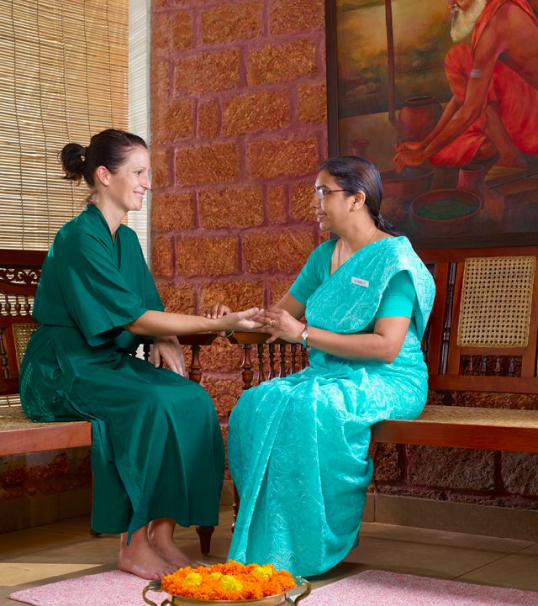
At Nattika Ayurveda, the Ayurvedic approach to hormonal wellbeing can be understood through personalised care, where individual health concerns and medical history are important considerations. Symptoms such as fatigue, weight changes and irregular menstrual cycles should also be medically evaluated to identify possible underlying conditions. Sharing existing medical reports, medications and health concerns helps support a more informed approach to Ayurvedic wellness care.
What Role Does Panchakarma Play in Hormonal Imbalance Treatment in Ayurveda?
Panchakarma is a set of five traditional Ayurvedic therapeutic procedures: Vamana (therapeutic emesis), Virechana (therapeutic purgation), Basti (medicated enema), Nasya (nasal administration) and Raktamokshana (bloodletting). In Ayurveda, these procedures are selected according to an individual’s health condition and assessed by a qualified Ayurvedic physician. The treatment may also involve preparatory therapies, dietary adjustments and a period of post-treatment care.
In the Ayurvedic understanding of hormonal imbalance, changes in menstrual patterns, weight and metabolism may be considered alongside disturbances in the Doshas and other aspects of health. Panchakarma is traditionally used as part of treatment plans intended to address these imbalances. Depending on the individual’s condition, an Ayurvedic physician may select specific therapies and combine them with dietary guidance and lifestyle modifications. This makes Panchakarma one of the traditional approaches explored in Ayurvedic care for people experiencing concerns related to hormonal health.
Who Should Consider Panchakarma?
Panchakarma may be considered by individuals seeking traditional Ayurvedic care for concerns such as irregular menstrual cycles, PCOS-related symptoms, weight changes, digestive disturbances and stress-related health complaints. However, its suitability depends on individual health conditions, medical history, age and overall physical health. An Ayurvedic physician evaluates these factors before recommending specific therapies and determining whether Panchakarma is appropriate. Those with existing medical conditions or ongoing hormonal treatments should also discuss their plans with their healthcare provider before beginning a Panchakarma programme.
How Can Lifestyle Support Hormonal Imbalance Treatment in Ayurveda?
Ayurveda gives importance to daily habits as part of maintaining overall health and wellbeing. Diet, physical activity, sleep and stress management are considered essential aspects of an individual’s health routine.
In Ayurvedic treatment, these factors are assessed according to the person’s constitution, health condition and lifestyle rather than following a uniform set of recommendations. For conditions such as PCOS, modern medical evidence also recognises the importance of lifestyle modifications in managing associated metabolic and reproductive health concerns.
Area | What to focus on | Why it matters |
|---|---|---|
Food | Balanced meals with adequate nutrients, fibre and protein | Supports metabolic and overall health |
Physical Activity | Regular exercise suited to individual fitness levels | Supports insulin sensitivity, weight management and cardiovascular health |
Sleep | Maintaining consistent sleep and waking times | Supports normal metabolic and physiological functions |
Stress Management | Relaxation practices, yoga and meditation | Helps manage stress and supports emotional wellbeing |
Daily Routine | Regular meal times and consistent daily habits | Encourages sustainable healthy lifestyle practices |
These lifestyle practices can complement an individualised Ayurvedic treatment plan, including Panchakarma where considered appropriate by an Ayurvedic physician. They should also be adapted to individual medical needs, particularly for people managing diagnosed hormonal conditions.
How Can Yoga and Breathing Practices Support Hormonal Wellbeing?
Yoga, meditation and pranayama (breathing practices) are valuable additions to an Ayurvedic lifestyle. Regular practice can help improve flexibility, manage stress, promote relaxation and support better sleep. They should be viewed as supportive practices rather than treatments for hormonal disorders.
How Does Ayurveda Approach Women’s Health and Hormonal Changes?
Ayurveda views women’s health as a continuous journey involving different stages, including menstruation, reproductive years and menopause. Each stage brings changes in the body that may require different approaches to diet, lifestyle and healthcare. Traditional Ayurvedic practices consider factors such as Dosha balance, digestion and individual constitution when addressing concerns related to menstrual health, reproductive wellbeing and age-related changes.
Nattika’s introduction to Ayurveda for Women’s Health provides an overview of its traditional approach to women’s wellbeing. Its article on embracing womanhood with the Nattika way of living also discusses menopause and women’s wellbeing. These resources explain the resort’s perspective rather than establish clinical effectiveness.
What Should You Check Before Choosing Hormonal Imbalance Treatment in Ayurveda?
Before choosing hormonal imbalance treatment in Ayurveda, look for a centre that offers qualified Ayurvedic physicians, individual health assessments and personalised treatment plans. Understand the therapies being recommended, the role of Panchakarma and the dietary and lifestyle guidance included in the programme. Choosing an approach that considers your medical history, existing health conditions and individual needs is important for a safe and informed Ayurvedic treatment experience.
Nattika Beach Ayurveda Resort describes its approach as physician-led care personalized to each guests’ constitution , health concerns and wellness goals. Ask how that process would accommodate your diagnosis and existing prescriptions.
For setting and stay considerations, explore Kerala Beach Resorts: Where Ayurveda Meets the Arabian Sea before making travel arrangements.
Explore Personalised Ayurvedic Wellness at Nattika
Ayurveda emphasises a personalised approach to wellbeing through traditional therapies, dietary practices and lifestyle recommendations. At Nattika Ayurveda, guests can explore an Ayurvedic wellness experience guided by individual health concerns, constitution and wellness goals. If you are considering an Ayurvedic approach to hormonal wellbeing, connect with Nattika Ayurveda to learn more about personalised consultations and treatment programmes suited to your needs.
To discuss a personalized stay, contact us with your health concerns, current treatment and questions about suitability before booking.
FAQ'S
Ayurvedic treatment may be explored as a complementary approach to supporting overall wellbeing in people with thyroid conditions. However, it is not a proven cure for thyroid disease.
Hypothyroidism generally requires prescribed thyroid hormone replacement medication, and any Ayurvedic therapies or herbal preparations should be discussed with both healthcare providers. Never stop or change prescribed thyroid medication without medical advice.
No, herbal supplements are not essential for everyone. Depending on individual health needs, Ayurvedic treatment may involve dietary changes, lifestyle modifications and traditional therapies, with herbal preparations recommended only when considered appropriate by the Ayurvedic physician.
Latest Blogs