

Ayurveda treatment in South India: Why Kerala is the best destination
Dr Leshma Vijay

Consultant Physician
The Nattika Beach Resort
If you are planning Ayurveda treatment in South India, Kerala is the benchmark you should compare every other destination against. A Kerala Ayurveda retreat is not just a wellness holiday, it is care delivered in the region that preserved Ayurveda as a living medical system for thousands of years.
When you are investing serious time and money, and you want safe, physician led treatment instead of spa style therapies, Kerala is the place you should go to. Below is a practical, booking stage guide to why Kerala consistently produces better Ayurveda experiences, what treatments you can expect, and why a certified beach resort like Nattika Beach resort can be an unusually strong setting for results.
Why Kerala Is Considered the Home of Ayurveda
Kerala is considered the home of Ayurveda because it developed and protected a distinct clinical tradition, supported by licensed physicians and local medicinal plants.
Ayurveda is a traditional Indian system of health with roots that go back thousands of years. Over time, Kerala formed the Kerala school of Ayurveda, known for specific therapy methods, specialized oil applications, and strong integration between medicines, diet, and bodywork.
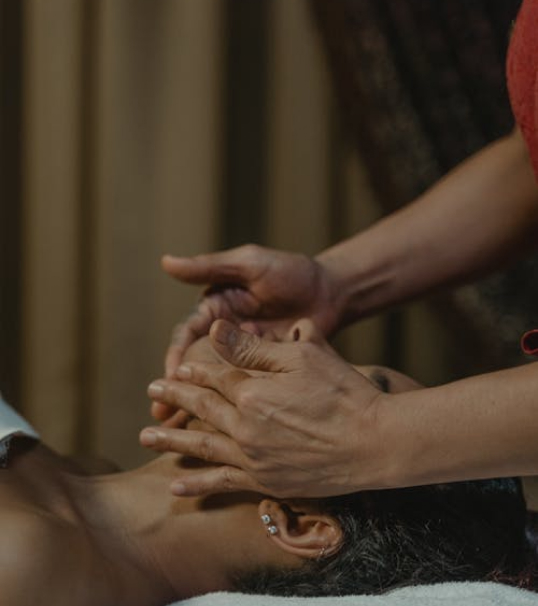
This foundation explains why Kerala often feels more clinical, more consistent, and more personalized than Ayurveda offered elsewhere.
What Makes Kerala Different from Other Ayurveda Destinations
If you have considered Ayurveda in Bali, Sri Lanka, or European wellness clinics, here is the critical difference. Kerala typically delivers Ayurveda as physician prescribed care with local ingredients in a climate that supports oil based therapies.
To make the comparison clear, here is what most international guests notice first:
| Factor that affects outcomes | Kerala (typical at certified centers) | Outside Kerala (common limitations) |
|---|---|---|
| Who prescribes treatment | Licensed Ayurveda physician (often BAMS) | Spa menu or wellness consultant |
| Treatment goal | Protocol over days or weeks | Single session relaxation |
| Herbs and oils | Often locally sourced and prepared | Imported, processed, or standardized |
| Climate fit for oil therapies | Warm, humid, stable | Varies, often cooler and drier |
| Standardization | Certifications possible (NABH, Ayur Diamond) | Quality varies widely |
Physician Led Treatment, Not Spa Led
An Ayurveda treatment program at Kerala starts with a physician consultation, not a treatment menu. A licensed doctor assesses your Dosha (your individual mind body constitution) and current imbalance, then prescribes therapies, diet, and rest.
Outside India, “Ayurveda” often means you book an Ayurvedic spa Kerala style massage without medical supervision. That can feel good, but it is not the same as a structured care plan that adapts as your body responds.
Native Medicinal Plants, Freshly Sourced
Kerala can use herbs that grow close to where you are treated, especially those from the Western Ghats, recognized globally as a biodiversity hotspot by groups like Conservation International.
In many overseas clinics, practitioners rely on imported dried ingredients, or oils produced far from the point of care. Those products can still be high quality, but freshness and local availability are not equivalent.
Climate Designed for Healing
Kerala’s warm, humid weather supports oil based therapies because skin stays hydrated and receptive. Many Kerala physicians also prefer monsoon months for deeper programs.
The monsoon period (often June to August) is locally linked with seasonal routines and is commonly called Karkidakam in Kerala traditions. Many guests plan longer stays then, especially for Panchakarma (a physician guided, multi day detox protocol).
Key Ayurveda Treatments Available in Kerala
Kerala offers the most complete range of classical Ayurvedic treatments with highest quality because resorts and hospitals can combine trained therapists, physician oversight, and traditional herbal preparations.
A serious Ayurvedic treatment plan usually blends therapies rather than relying on one signature session. If you see these names, you should also expect proper definitions and medical screening.
Panchakarma (a structured detox and reset program) often spans 14 to 28 days and follows stages that prepare the body, apply main cleansing procedures, and rebuild strength with diet and restoratives. People commonly seek it for chronic fatigue patterns, digestive imbalance, stress load, and general metabolic reset, always with supervision.
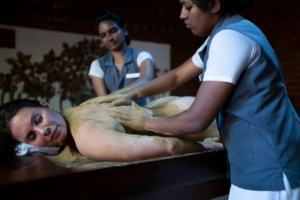
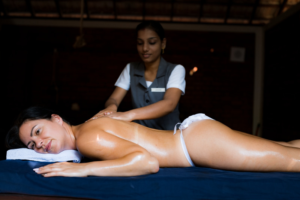
Abhyanga (a warm oil massage) is usually done in synchronized strokes, sometimes by two therapists. It is commonly used to ease muscle tension, support circulation, reduce dryness, and calm the nervous system.
Shirodhara (a steady stream of warm oil on the forehead) is widely used when stress shows up as sleep disruption, mental restlessness, or persistent tension. Many guests report a deep settling effect after a few sessions.
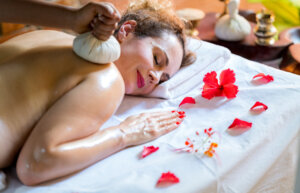
Elakizhi or Kizhi (herbal compress therapy using cloth bundles of medicinal leaves) focuses on stiffness and pain patterns. Practitioners often use it for joint discomfort, postural tightness, and muscle soreness.
Nasyam (medicated oil or herbal preparations through the nasal passage) is commonly used for sinus congestion, headaches that cluster around the face, and some respiratory complaints.
At a certified Ayurveda resort, you do not pick these from a menu. A physician prescribes them after consultation, and adjusts them if your sleep, digestion, or energy changes.
Why a Beachside Location in Kerala Enhances Ayurveda Results
A calm beachfront setting can improve Ayurveda results because it supports lower stress physiology, better sleep rhythms, and consistent daily routines.
Kerala’s coast gives you warm air, steady temperatures, and a naturally slower pace, which matters because Ayurveda works best when treatments, diet, and rest stay consistent.
A few factors are practical, not mystical:
- Coastal environments can feel easier to breathe in for many travelers, especially when you spend time walking slowly and resting outdoors.
- Wave sound and predictable natural rhythms can support relaxation and help you keep regular sleep times.
- Warm sea level temperatures make oil based therapies comfortable in most seasons.
- A beachside routine makes it easier to replace “doing” with “recovering,” which is often the missing ingredient for stressed professionals.
This is where Nattika Beach resort is relevant in a factual way. The setting combines direct beach access with structured Ayurveda delivery, and the resort states it holds NABH and Ayur Diamond certifications, a rare pairing for a beachfront property.
If you are comparing options, treat certifications as a signal that systems exist behind the scenes, including documentation, hygiene standards, and clinical oversight.
What to Expect at a Certified Ayurveda Resort in Kerala
At a certified resort in Kerala, you should expect a physician assessment first, a daily schedule built around your plan, and ongoing supervision that changes the protocol as needed.
Most genuine programs follow a predictable arc.
On day one, you arrive, rest, and meet the physician for a full intake. The doctor assesses your Dosha type and imbalance, checks digestion, sleep, stress markers, and physical concerns, then designs a personalized plan.
Your daily rhythm is usually simple and repeatable:
- Morning yoga or breathwork (adapted to your energy and mobility)
- One to three treatments per session, depending on your plan
- Ayurvedic meals matched to your constitution and current digestion
- Quiet time, short walks, and early nights
Medical supervision should be visible. You should have physician check ins, and therapists should follow written instructions, not improvisation.
When you evaluate a resort, look for clear trust signals. NABH stands for National Accreditation Board for Hospitals and Healthcare Providers, and it indicates standardized processes. Ayur Diamond is a Kerala government quality certification used to identify centers meeting defined Ayurveda standards.
Guests commonly report practical changes after a focused stay, such as better sleep quality, less joint stiffness on waking, and more stable digestion after a 14 day program. Results vary, and reputable centers avoid promising cures.
If you want to review programs, rooms, and availability directly, start at the official Nattika Beach Resort site and confirm dates early if you plan a longer Panchakarma window.
Kerala is the best destination if you want authentic, physician led Ayurveda in its original setting. You get trained BAMS doctors, local medicinal plants, a climate that supports oil based therapies, and a culture built around Ayurvedic routines.
If you are ready to experience Ayurveda where it still lives most authentically, Nattika Beach Resort is ready to welcome you.
FAQ'S
Kerala is widely regarded as the most authentic destination for Ayurveda because it preserves a continuous clinical tradition with licensed physicians, locally sourced medicinal plants, and a climate that supports oil based therapies.
In Kerala, Ayurveda is typically physician led and follows a structured treatment plan. In many other countries, it is often offered as spa style therapies without medical supervision or personalization.
Panchakarma is a structured detox and rejuvenation program in Ayurveda. It usually lasts between 14 to 28 days and includes preparation, cleansing therapies, and recovery phases under medical supervision.
Yes, at certified Ayurveda centers in Kerala, treatment always begins with a consultation by a licensed physician who assesses your Dosha and health condition before prescribing therapies.
A beachside location supports relaxation, better sleep, and consistent routines, which are essential for Ayurveda. Resorts like Nattika Beach Resort combine this environment with certified, physician guided treatment programs.
Latest Blogs